





Kennedy's summary:
Most businesses spend a lot of time thinking about the impression they make online, but what about the impression they make in person? From the moment somebody walks through your door, they’re already forming opinions about your business, your people and your culture. Here are a few of the things visitors notice within the first five minutes of arriving at your office and why they matter more than you might think.
If you’ve worked in the same office for a while, it’s easy to stop actually seeing it for what it is. You, quite literally, become part of the furniture and everything around you just blurs into normality. That means, without the help of an outside eye, you forget what it feels like for visitors to experience the space.
You know which lift to take, which entrance to use and where the meeting rooms are without thinking about it. The peeling paint goes unnoticed, the chairs that have seen better days just feel like old slippers and the unventilated, poorly lit boardroom that sends everyone off to sleep is just part of working life.
However, visitors don’t have that familiarity, so it’s important to take a step back and look at the space through their lens once in a while. It will help you identify any problems or improvements that might impact your client relationships and your attraction and retention of talent.
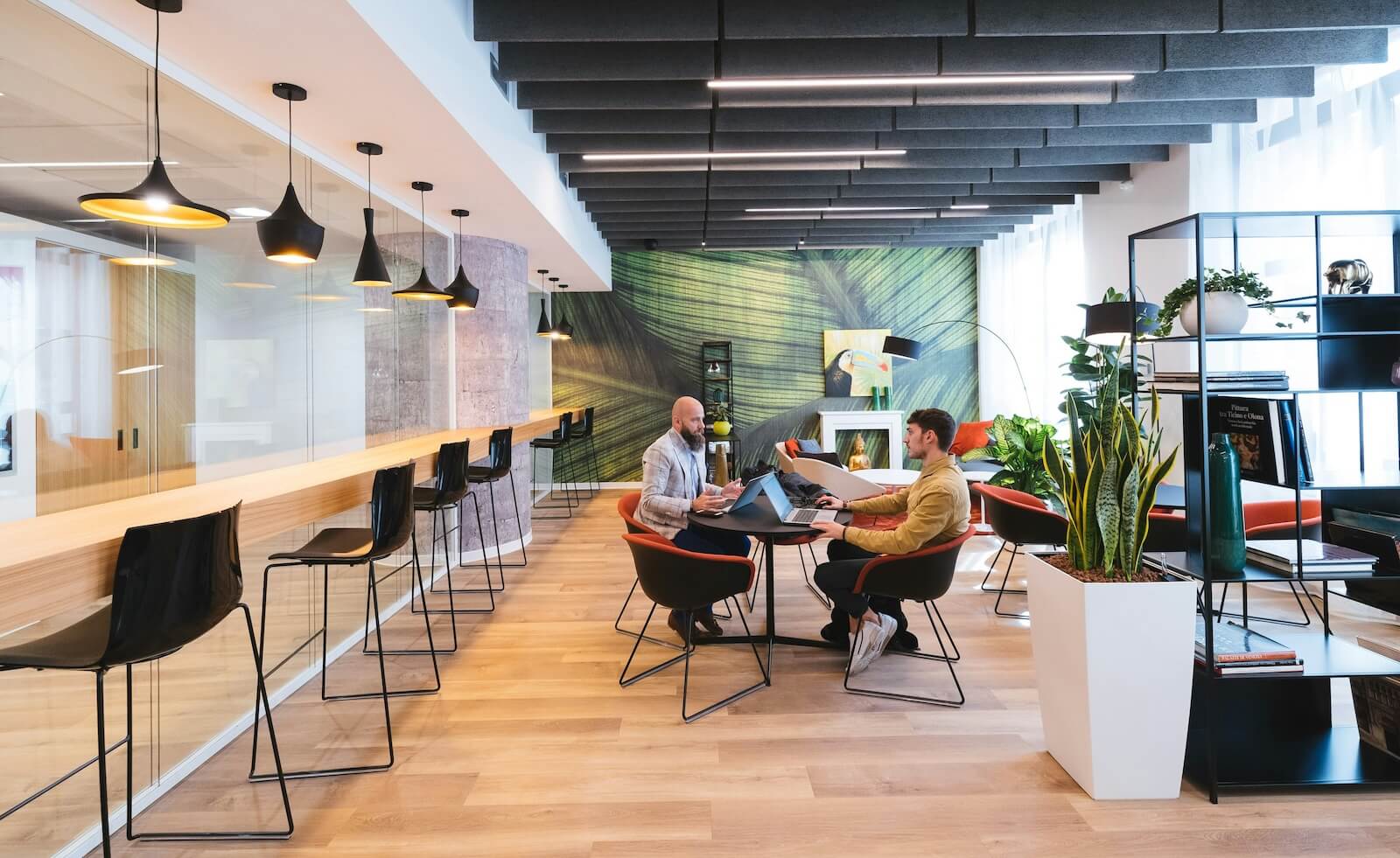
So, remember, whether it’s a prospective client, a job candidate, a supplier or a potential business partner, they’re experiencing your workplace in a very different way to you and your staff.
Before anybody has had a handshake or switched on the kettle, visitors have already begun forming an impression of your business, based purely on the physical environment. While visitors may only spend an hour or two in your office, they’ll often leave with a surprisingly clear sense of your business, company culture and brand identity.
The most successful workplaces create an environment that feels intuitive, comfortable and unmistakably aligned with the business they represent. Those are the offices people remember long after the visit has finished, for all of the right reasons.
Let’s take a look at some key questions you should be asking yourself about visitor experience when designing your office:
Can visitors easily navigate the space?
Outside of general things like whether the place smells nice and looks neat and tidy, one of the very first things a visitor will notice is how easy (or not) it is to find their way round the place. It might be an entrance that isn’t clearly signposted, a reception area that doesn’t immediately tell people where to check in or a meeting room that’s hidden away down a maze of corridors with no wayfinding.
None of these things is a particularly major issue on their own, especially for non-visitors who know the space like the back of their hands. However, together, things like this create friction before the meeting has even started.
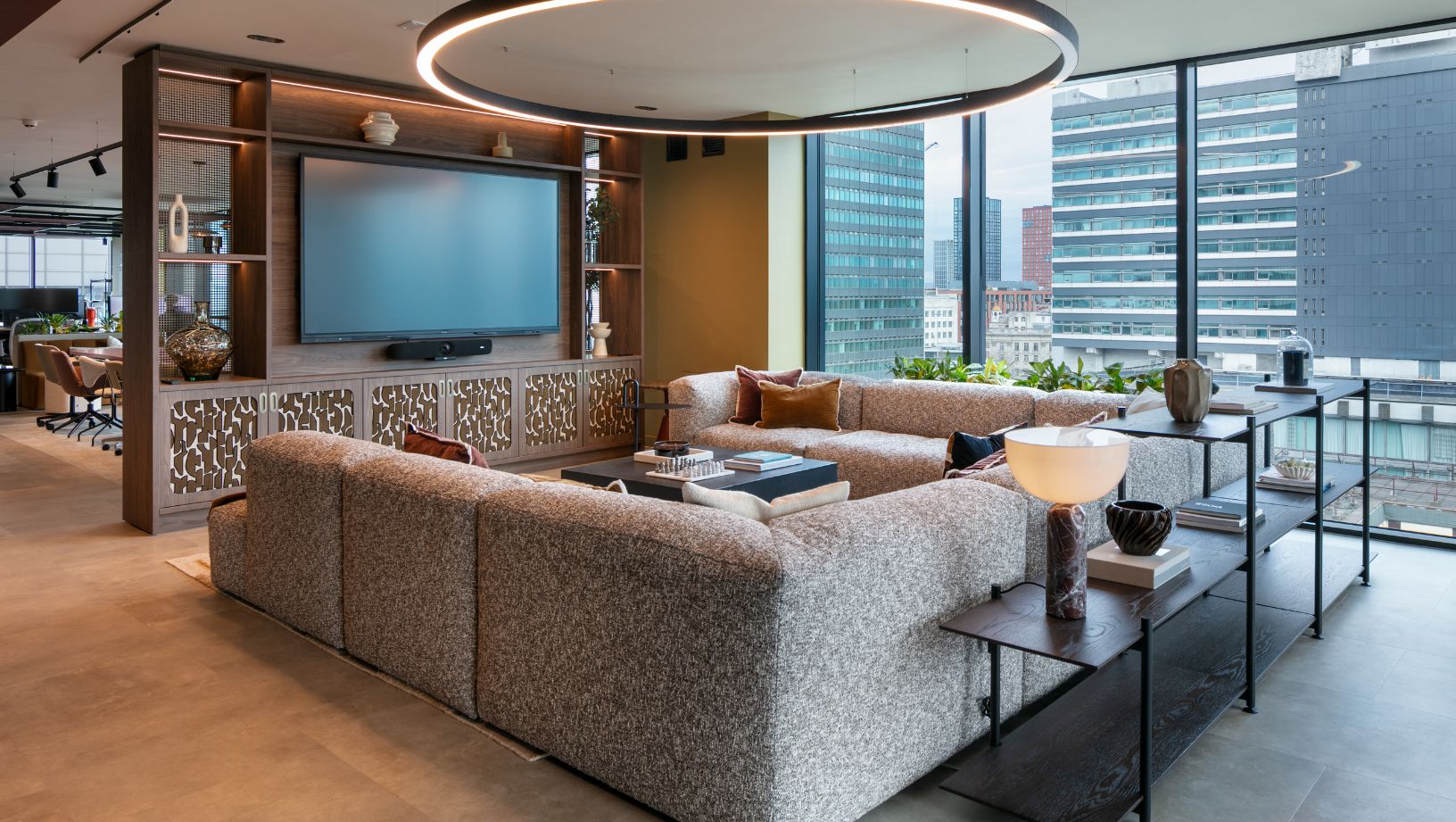
A well-designed workplace with effective configuration makes navigation effortless. Visitors instinctively know where to go, where to wait and how to find who they’re looking for without feeling awkward or having to ask for directions.
Is it easy to focus and communicate?
Visitors spend a surprising amount of time experiencing your workplace in many of the same ways your employees do, so it’s important to consider it as a priority when kitting out your office.
Whether they’re having a meeting, waiting in a breakout area or walking through the office, they’ll quickly notice how the space functions. Distraction and disruption are two major red flags that will negatively impact somebody’s experience of your space – visitors and employees alike.
Is it easy to hold a conversation without feeling like the whole office is listening? Is there enough, if any, privacy? Can people focus, or does every phone call seem to compete with another? Does the technology work without someone spending ten minutes searching for the right cable?
Small frustrations like these can interrupt the flow of a meeting and leave visitors with the impression that the workplace creates obstacles rather than removes them.
The most well-designed workspaces provide quiet settings for focused conversations, collaborative areas where ideas can be shared comfortably and meeting rooms that function how they should. When the environment supports communication rather than getting in the way of it, people tend to notice the meeting itself, not the environment it is happening in.
Does the space reflect your brand and company culture?
Your office tells a story about your business long before anybody starts talking about what you do. That’s why, when designing a space for our clients, we always ensure every element aligns with the company’s brand identity and culture.
Ask yourself: If a visitor walked through our workplace without seeing our logo or website, what impression would they leave with? Would they understand what kind of company you are and what it’s like to work with you?
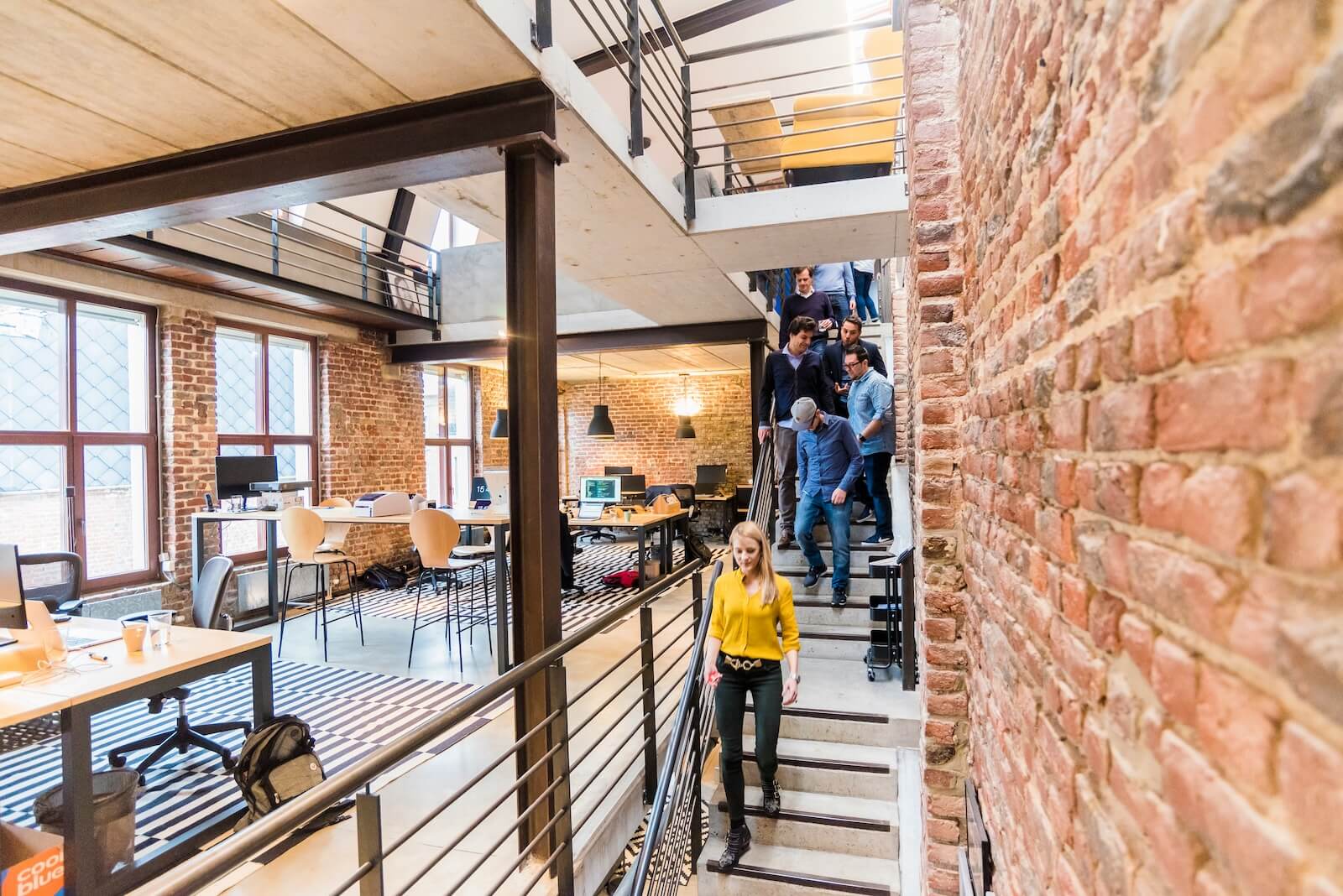
A workplace that’s bright, open and collaborative creates a very different impression to one that’s made up of closed doors and rows of identical desks. Neither approach is right or wrong. The important thing is that your workplace feels authentic to your business. A creative agency might want its personality to shine through the space, for example, while a legal or financial firm may aim for something more refined and understated.
When the physical environment reflects your values, your culture and the way your people actually work, visitors get a much clearer sense of who you are. When it doesn’t, the disconnect is often more noticeable than you might realise.
Is the space enjoyable to be in?
People are innately good at picking up on how a workplace feels, even if it’s on a subconscious level or they can’t quite explain why. This is arguably what a visitor will remember most about your space – whether or not they enjoyed being in it.
Natural light, comfortable furniture, good acoustics, pleasant smells and the right temperature all influence the overall experience of a space. Individually, they’re easy to overlook. Together, they determine whether somewhere feels welcoming or people are quietly counting down the minutes until they can leave.
The same applies to your employees. If people naturally choose to spend time in the office, use the breakout spaces and enjoy working alongside their colleagues, visitors notice that atmosphere. It feels relaxed, genuine and like a lived-in, destination of choice.
After all, the best workplaces don’t just look good in photographs. They’re enjoyable places to spend time in every single day.

Looking to improve your visitor experience? Our team of workspace specialists are here to support you from strategy to delivery. Get in touch and tell us all about your project.