





Ellie's Summary
Most offices don’t just suddenly stop working. It’s something businesses tend to notice gradually as frustrations, workplace issues and obstacles arise. The space may start to feel harder to use, or you might find the types of work settings people need just don’t exist, so their motivation dips or their behaviours shift.
Improvisation and workarounds happen so that business can keep ticking but over time, these things add up to foster an office that just doesn’t serve its users anymore. That’s when you know you need to regroup, reassess and probably refurbish your workspace.
Often, an office refurb project will be triggered by a relocation or aesthetic-led reasons such as shabby paintwork or old furniture. While these are perfectly great reasons to refresh your space, it’s also essential to look out for the functional factors that point toward the need for an office transformation.
In this blog post, we cover some of the most common signals that it might be time to refurb.
The space doesn’t reflect how people work
You don’t need us to tell you that workplaces have changed and modern offices are a lot different from their bygone, conventional counterparts. Most people no longer spend five days a week at the same desk, doing the same type of work, with the same teams.
Working life is now much more of a mixed bag, which means how, where and when people work is far more diverse and dynamic. Impromptu meetings, longer collaboration sessions, video calls, remote work, privacy and wellbeing are all essential elements of modern office fit out and function, for example.
If your office still revolves around rows of fixed desks, a handful of meeting rooms and a closed-off kitchen, it can feel restrictive and outdated. Previous design and fit out methods no longer match how teams operate, so people start adapting the space to suit.
You may notice staff taking calls in corridors, holding informal meetings in walkways or avoiding the office altogether for certain tasks if they don’t have what they need on-site. Teams may choose to collaborate in cafes or carry out individual focus tasks at home, where noise and privacy aren’t problems.
A more considered approach to office design introduces different types of spaces, so people aren’t forced to just make do with what’s available. That’s why it’s so important to consider your workspace specifically and not just go down the route of generic solutions. This is where partnering with an office fit out specialist helps a lot.
Read more: The best office layouts for tech companies >>
Space use isn’t well-balanced
Imbalance in how space is used is one of the easiest things to spot because some work settings will always be busy and in demand, while others will remain empty and unused for most of the time.
You might have entire banks of desks with nobody sitting at them for most of the week, while meeting rooms are constantly booked out. Or traditional breakout spaces that are rarely used, while tech-enhanced collaboration areas start to become crowded and feel way too small. Outdated boardrooms may become unwanted as modern employees crave non-existent settings like town halls, social settings and wellness spaces.
If you notice these kinds of things happening in your workspace, it’s important to realise that this isn’t usually a people issue – it’s almost always a layout issue. As teams grow and working patterns shift, the original office fit out can quickly fall out of sync, which leads to this imbalance of use between wasted space and over-populated settings.
An office refurbishment gives you the chance to look at how the space is actually being used now and how it needs to adapt to these present patterns, rather than how it was intended to be used.
Your overheads aren’t optimised
When it comes to identifying if and when you need to reassess your workspace and consider a refurb, you also need to look at the numbers as well as the experience. Imbalanced use doesn’t just waste space and kill productivity; it also means your budget is being wasted and your spending isn’t efficient.
If large parts of the office are underused, or if the layout is forcing staff to cram into ill-equipped settings and abandon others, that has a cost attached to it. Plus, older offices and outdated fit outs are often less efficient when it comes to things like lighting, heating and air quality. Ultimately, this will start to negatively impact your bottom line.
An office refurbishment can address both sides: how the space looks and feels and how it performs. In some cases, this can lead to a more efficient footprint and enhanced sustainability, which is great. In others, it simply makes better use of what’s already there, which is also good news for your business.
Read more: The ROI of office design: How workspace impacts revenue >>
The space doesn’t align with your brand
The design language, configuration and aesthetic decisions in your workspace design are strong communicators of your brand identity. This is because the workspace is a physical manifestation of a business and its culture. However, we tend to find that offices often outlive branding.
What we mean by this is that brand identity is almost always updated more regularly than office design. You might have evolved your positioning, refined your messaging or even overhauled the visual elements of your brand (e.g. colours and logo) but the current workspace still reflects an earlier version.
That gap is often more noticeable than you’d think, especially to visiting clients and new employees who aren’t desensitised to the space in the same way you are. It comes through in how the space feels, how it’s presented to visitors and how employees relate to it day to day.
This isn’t just about surface-level or aesthetic changes. A well-considered office design brings the physical environment back in line with the business as it stands now – how it looks, how it operates and how it wants to present itself to the world.
Read more: Ensuring brand identity can shine through office design >>
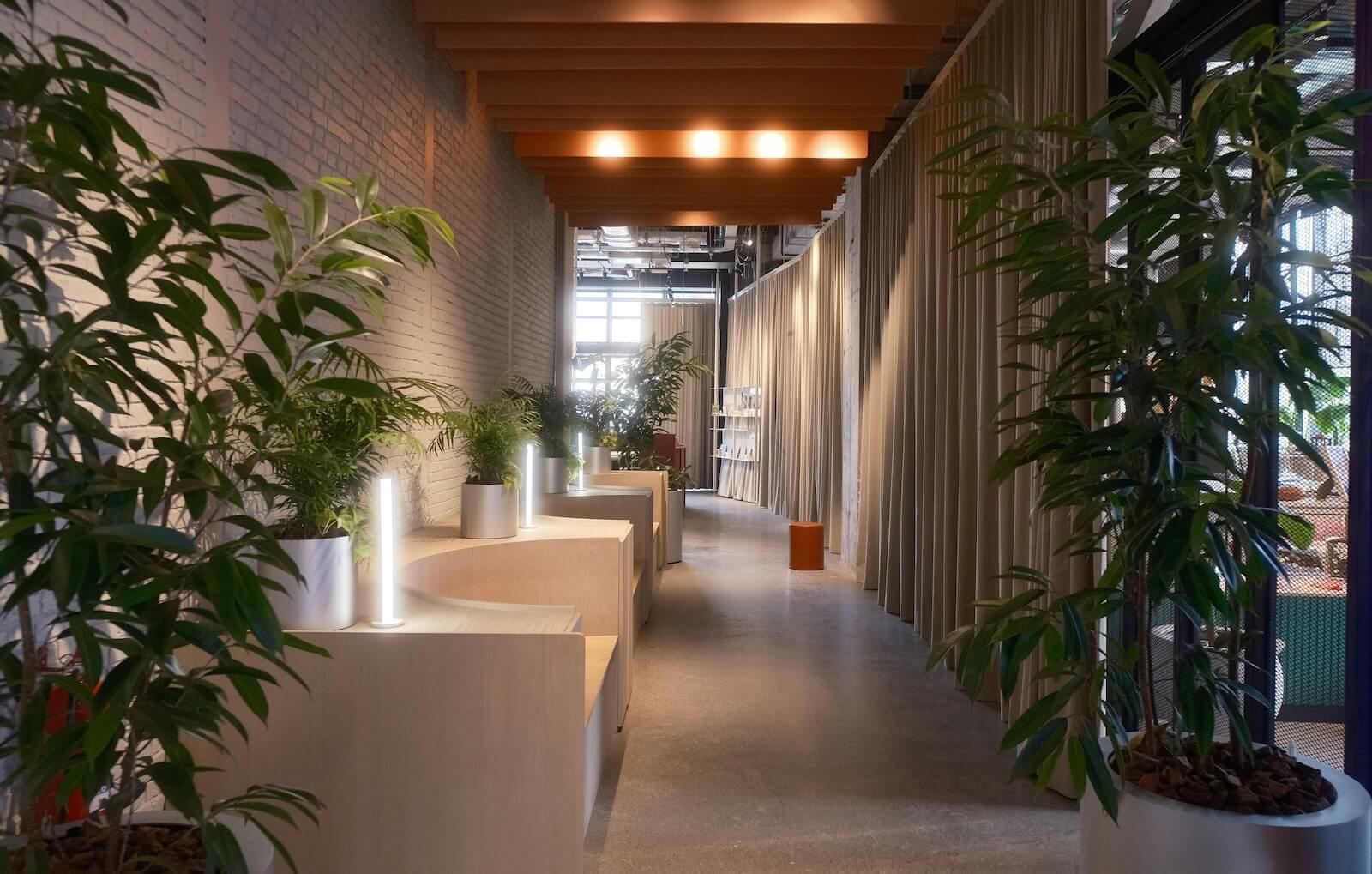
Focus and concentration are challenged
As we’ve highlighted further up, when a space isn’t working properly, people find ways around it. That might mean working from home to concentrate, using parts of the office that aren’t necessarily fit for purpose or even delaying tasks because the right resources aren’t there to do it well.
As a business owner, it’s important to realise that this doesn’t always get raised directly. This will generally tend to show up in things like behaviour, morale, motivation and productivity. Also, in more tangible ways, like office occupancy and staff retention.
If people can’t focus or concentrate on what they need to do, it will have a negative impact on them and eventually, this will have consequences for your business.
Open-plan environments are often where this becomes most obvious. Without the right balance of quiet and collaborative space, even simple tasks can take longer than they should.
A good office fit out doesn’t design exclusively for collaboration or concentration; it makes room for both. The key is giving people the option to choose where and how they work because the concept of ‘choice and control’ is how modern offices thrive.
Technology has become limiting
In the past, workplace tech was a luxury or even surplus to requirements. These days, office technology is a critical part of daily life, especially for teams that operate across multiple sites and where collaboration between remote and resident teams is the norm.
Now, workplaces rely heavily on technology but not all office design and fit out has kept up. So, often, tech requirements are what catalyse a business into investing in an office refurbishment.
You might notice it in meeting rooms where calls take longer to set up than the meeting itself. Time is wasted and remote staff can’t participate seamlessly. Or in areas where connectivity is inconsistent, so dips in internet connection cause frustration, delayed productivity and broken collaboration.
A modern office fit out treats technology as part of the design, not an afterthought. It should be built into how the space works, not layered on top or treated as an added extra. A good example of this is considering tech-integrated furniture as part of your modernised furniture portfolio.
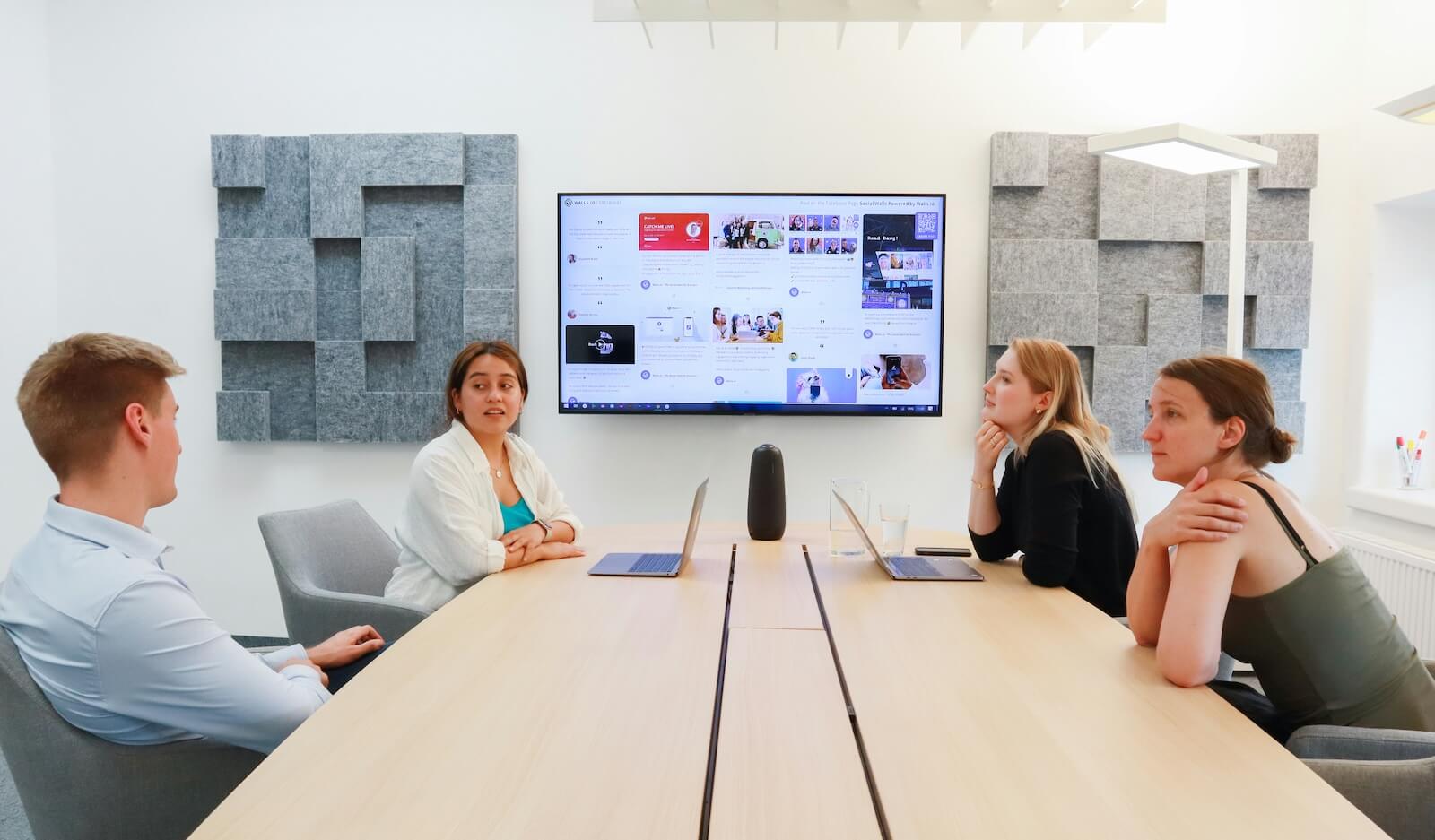
People don’t like using the space
All of the symptoms above are the most common specific signposts that it’s time to refurbish your workspace. However, sometimes the issue is more straightforward and the main indicator is that people just don’t like using the space. In this scenario, the office becomes the opposite of a ‘destination of choice’ and instead, somewhere staff actively avoid.
All of the symptoms above are the most common specific signposts that it’s time to refurbish your workspace. However, sometimes the issue is more straightforward and the main indicator is that people just don’t like using the space. In this scenario, the office becomes the opposite of a ‘destination of choice’ and instead, somewhere staff actively avoid.
When furniture has seen better days, finishes are shabby, light fixtures are worn and flooring looks outdated and dirty, it doesn’t send the right signals about your business. Technically, none of these things stop people doing their jobs but in practice, they affect how people feel about coming into the office and how they perform when they’re there.
An environment that feels neglected can also shape how visitors perceive the business. People are paying more attention to where they work and the businesses they associate with. The office isn’t the only factor, but it’s part of the overall picture. A well-designed office doesn’t need to be extravagant or budget-breaking; it just needs to feel considered, functional and aligned with your business.
Think it might be time to refurbish your workspace? Our team of specialists are here to support you from strategy through to delivery, so get in touch and tell us about your project.