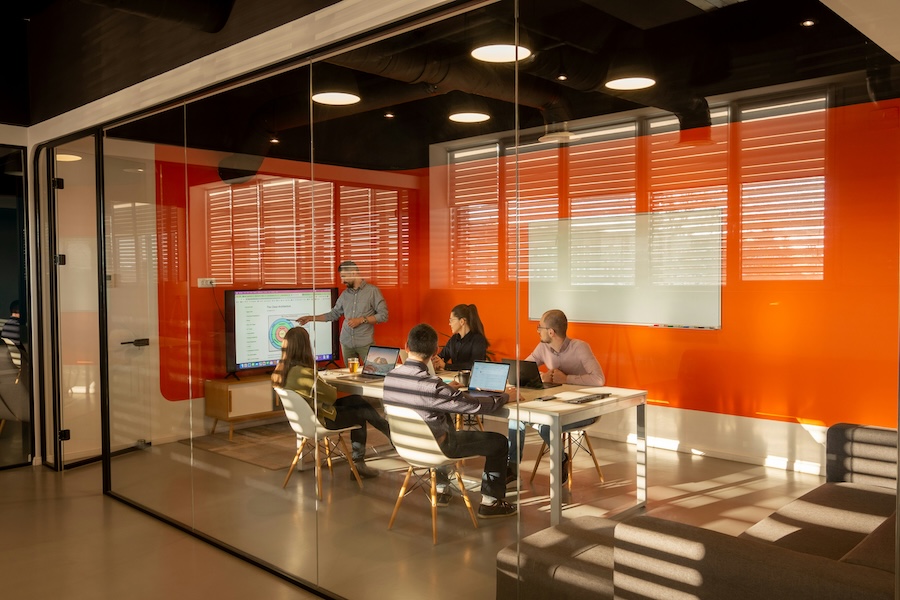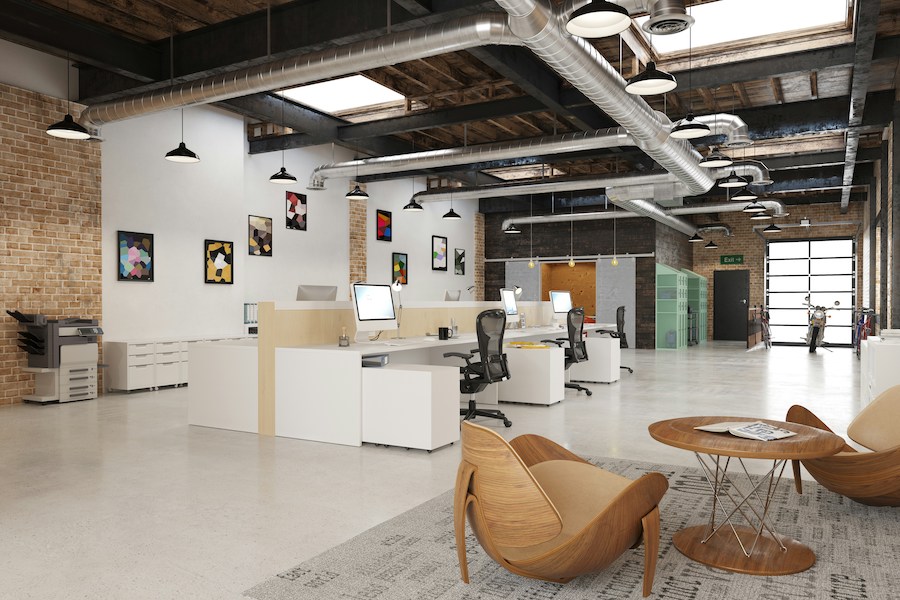






Martin's summary:
As Technology Specialist at Penketh Interiors, I see the immense value of a ‘phygital’ workspace and of merging digital workflows with physical design to foster a more holistic environment. From using real-time tech and sensors to optimise space, to redesigning meeting rooms to eliminate hybrid collaboration friction, this blog post explores how we can help you remove operational barriers and drive long-term productivity.
In the world of interior design, there are new words, phrases and ways of describing things popping up all the time and we make it our mission to help you make sense of them. This time, we’re unpacking the term ‘phygital’, so you know what it means and how it applies to you when it comes to your next office transformation.
What is a phygital office?
So, what does ‘phygital’ actually mean? Those of you with an eagle eye might have already noticed that the word is a mash-up of ‘physical’ and ‘digital’, which, as you’d expect, covers the modern blend of real-life and online work settings.
As we know, hybrid working triggered a major rewrite of what the physical office looks like and how it functions, so it’s only natural that the language around it evolves too. For a while, the conversation was pretty much divided: you were either working remotely from a laptop at home, or you were working physically at a dedicated desk in the office. Today, many companies have realised that the highest-performing workspaces don’t choose between the two but merge them instead.
This blend is what some people are now calling the ‘phygital’ workspace – an environment where digital work and physical settings work harmoniously. In a nutshell, ‘phygital’ is essentially just another way of describing ‘hybrid’ work practices but leaning more into the specific seamless blend of real-life and online activity.
Why is phygital office design important?
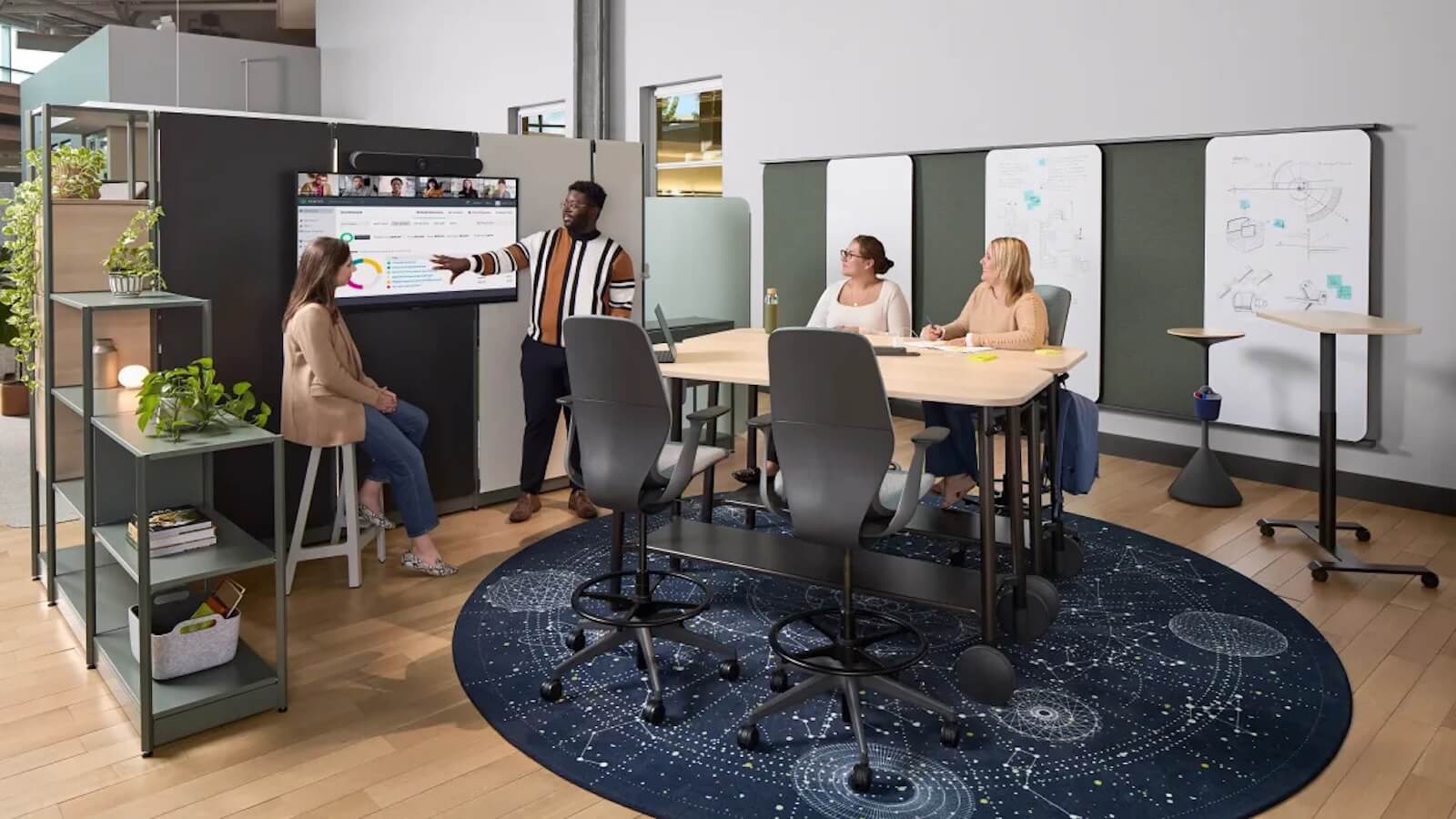
Much like hybrid work, activity-based work, nomadic work and all of the other related ways of working today, the phygital blend isn’t just a trend; it represents a shift in working culture and behaviours. It’s all about aligning the working environment (in person and online) with how teams actually want and need to spend their day, not how tradition has dictated for so long.
Read more: Helping nomadic and remote staff stay organised and involved >>
Successful phygital office design is driven by the people who use the space and technology is there to remove any friction and support these contemporary ways of collaborating and focusing. Employees are more and more aware of what they want from a workspace and they expect their employers to meet their needs, which is why it’s so important to use this as a driver when designing a phygital space.
When physical settings and digital platforms work together in harmony, the office stops feeling like a default destination and starts functioning as a strategic commercial tool that actively drives productivity and growth. Staff actually choose to come into the office because they feel empowered and supported, which, in turn, benefits the performance of your business.
Read more: The ROI of office design: How workspace impacts revenue >>
Now, let’s take a look at how the phygital shift is redefining commercial interior design and why it matters for your business and the people using your office.
Solving ‘presence disparity’
More flexible ways of working come with myriad benefits but they also come with challenges too. It’s important to tackle these challenges quickly or, better still, preempt them during the office design planning phase.
One of the biggest bugbears of the modern working world is trying to ensure friction-free collaboration and participation between remote and resident employees.
Meeting rooms are a perfect example
For instance, a meeting where some members of the team are in-person, in the boardroom or meeting room, while others are dialling in remotely via video conferencing tech.
With the right types of digital tech and physical work setting, this type of interaction can result in what’s known as ‘presence disparity’. This is a problematic dynamic where remote participants struggle with things like reading body language, hearing everything that’s said, missing smaller comments and, as a result, feeling disconnected from the physical communication happening in the room.
The phygital solution
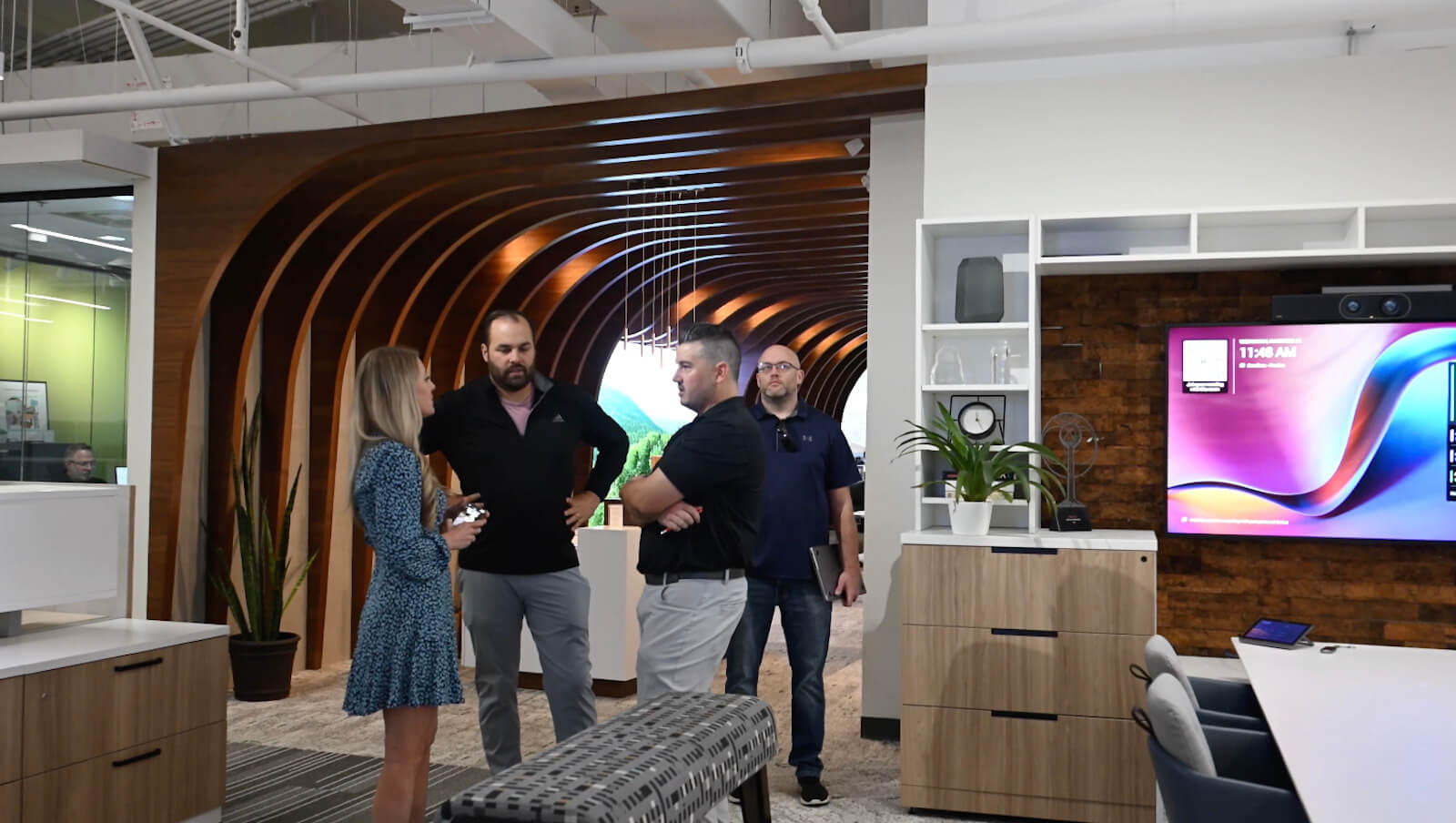
A phygital approach to meeting room design, for example, eliminates this friction by treating the digital facilities and the physical furniture layout as a single work setting. Not two separate parts that are forced into the same space but aren’t in sync.
Traditional boardroom setups, for example, typically place a long rectangular table perpendicular to a single wall-mounted screen. This means the people sitting closest to the screen have to turn their backs to their remote colleagues, while those at the far end appear tiny on camera. Audio tech also picks up those at the front more clearly, while the ones furthest away from the screen struggle to be heard by those dialling in.
These struggles hinder communication and productivity, slowing down output and causing frustration amongst colleagues – not to mention the amount of time wasted managing the issues.
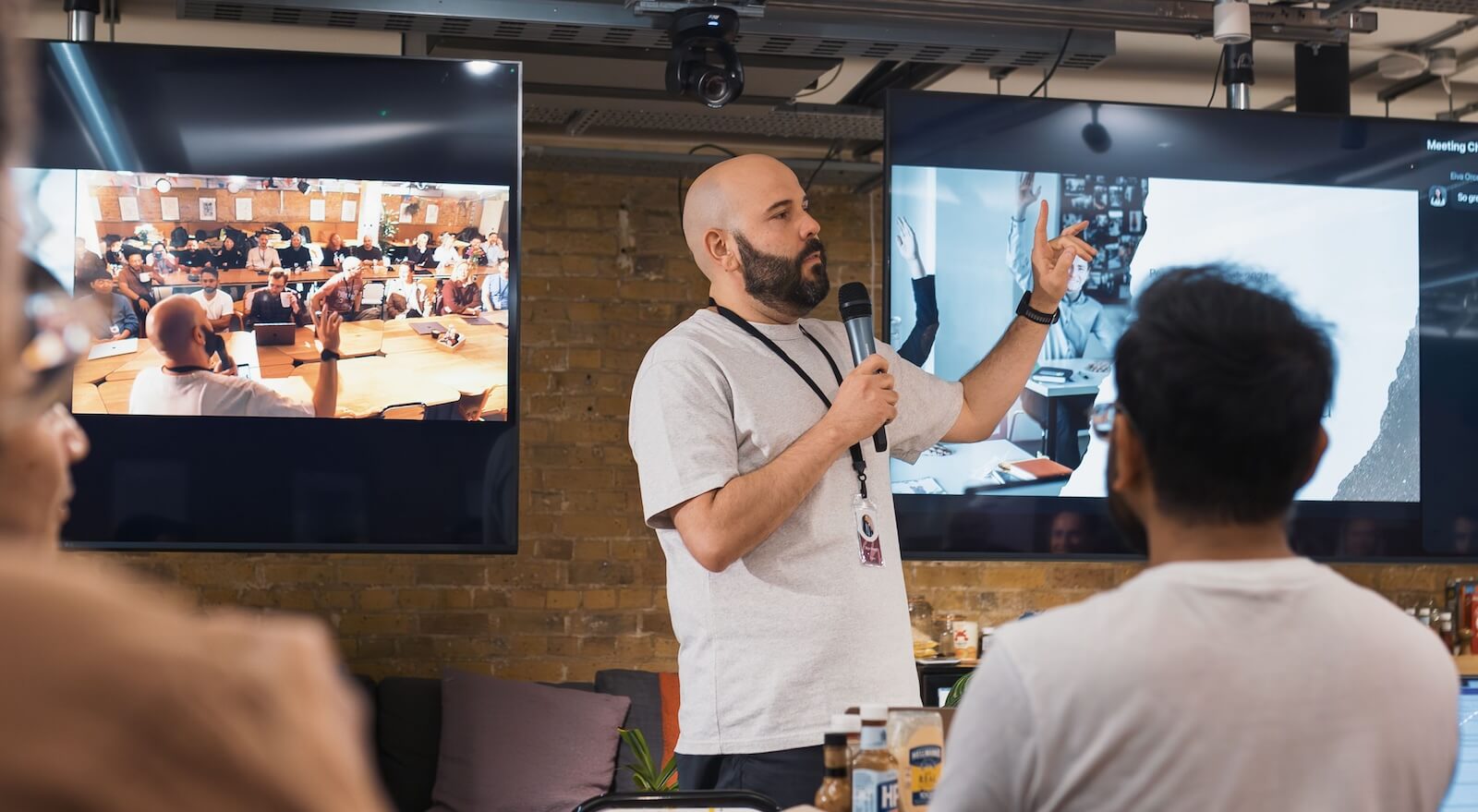
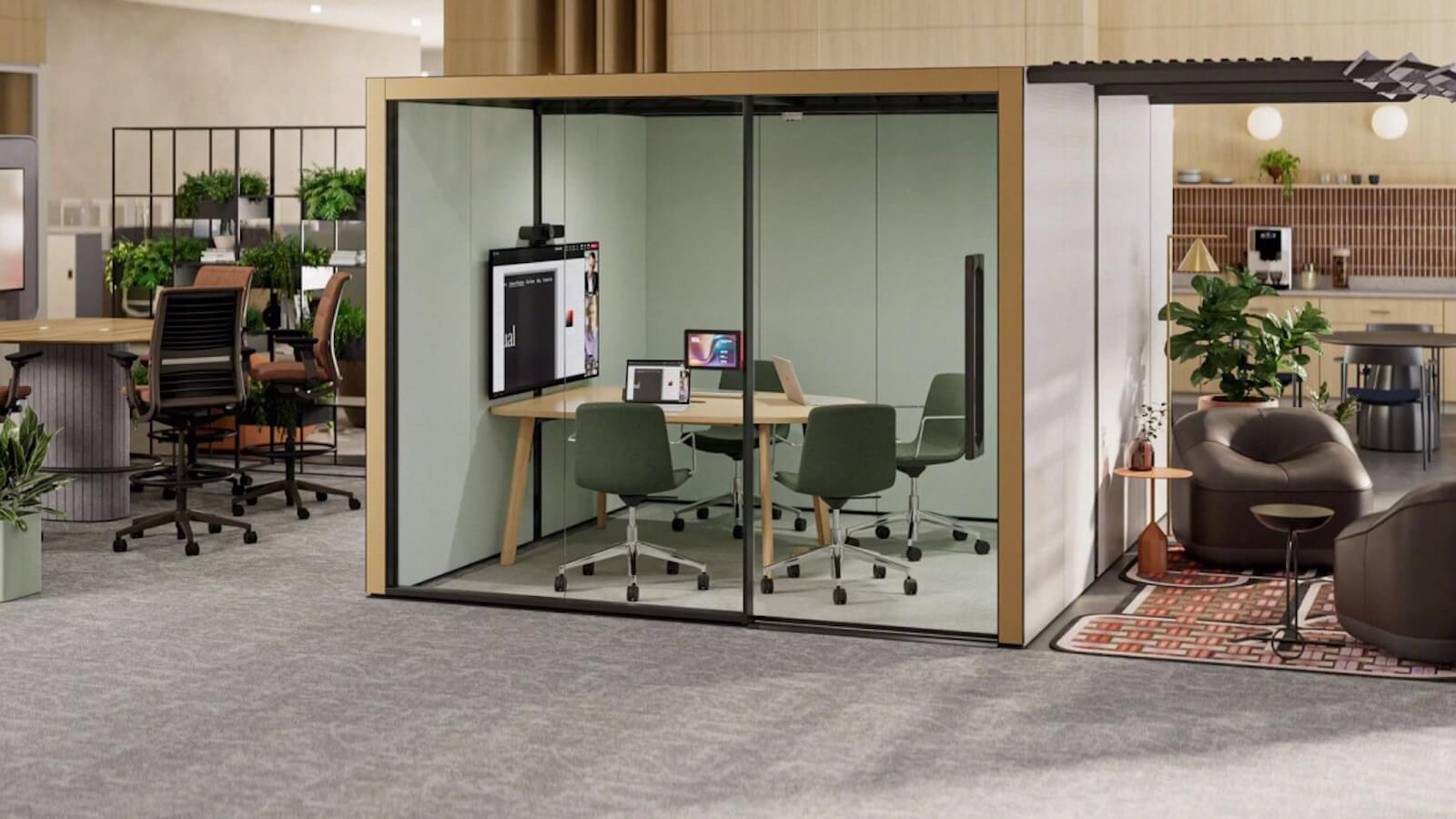
Swapping rectangular tables for tapered, U-shaped or D-shaped configurations ensures that every single physical participant faces both the in-room team and the camera simultaneously. Paired with wide screens, 360-degree smart cameras that automatically track who is speaking and targeted acoustic zoning, the digital space becomes an extension of the physical setting.
By elevating remote workers to eye level, it gives them a more distinct physical presence and helps foster a shared collaborative environment where everyone can contribute equally, regardless of where they are working from.
Phygital design swaps guesswork for data
Historically, tracking how an office was being used came down to manual observation or guesswork. Managers would glance at a bank of empty desks on a Tuesday morning or look at a fully booked meeting room schedule and assume they needed to alter their square footage. That kind of guesswork is how many office refurb and fit out decisions were previously made.
In a modern phygital workspace, on the other hand, physical furniture and architectural fit out elements can be equipped with sensors to provide real-time data on how the workspace is actually being used.
Designing for what workers actually want
Under-desk sensors, ceiling-mounted occupancy trackers and room booking systems, for example, tell you exactly which settings are popular and which are left unused. You might discover that while your traditional bench desks sit empty for most of the time, your acoustic pods, privacy booths and breakout spaces are constantly at capacity.
So, for instance, if the data shows that your teams spend their days moving between individual focus work and spontaneous breakout sessions, you can then reallocate budget away from unused desks and invest in high-performing collaborative zones and privacy settings that directly support real daily tasks.
Read more: Why desk design needs a modern approach >>
Optimising space usage
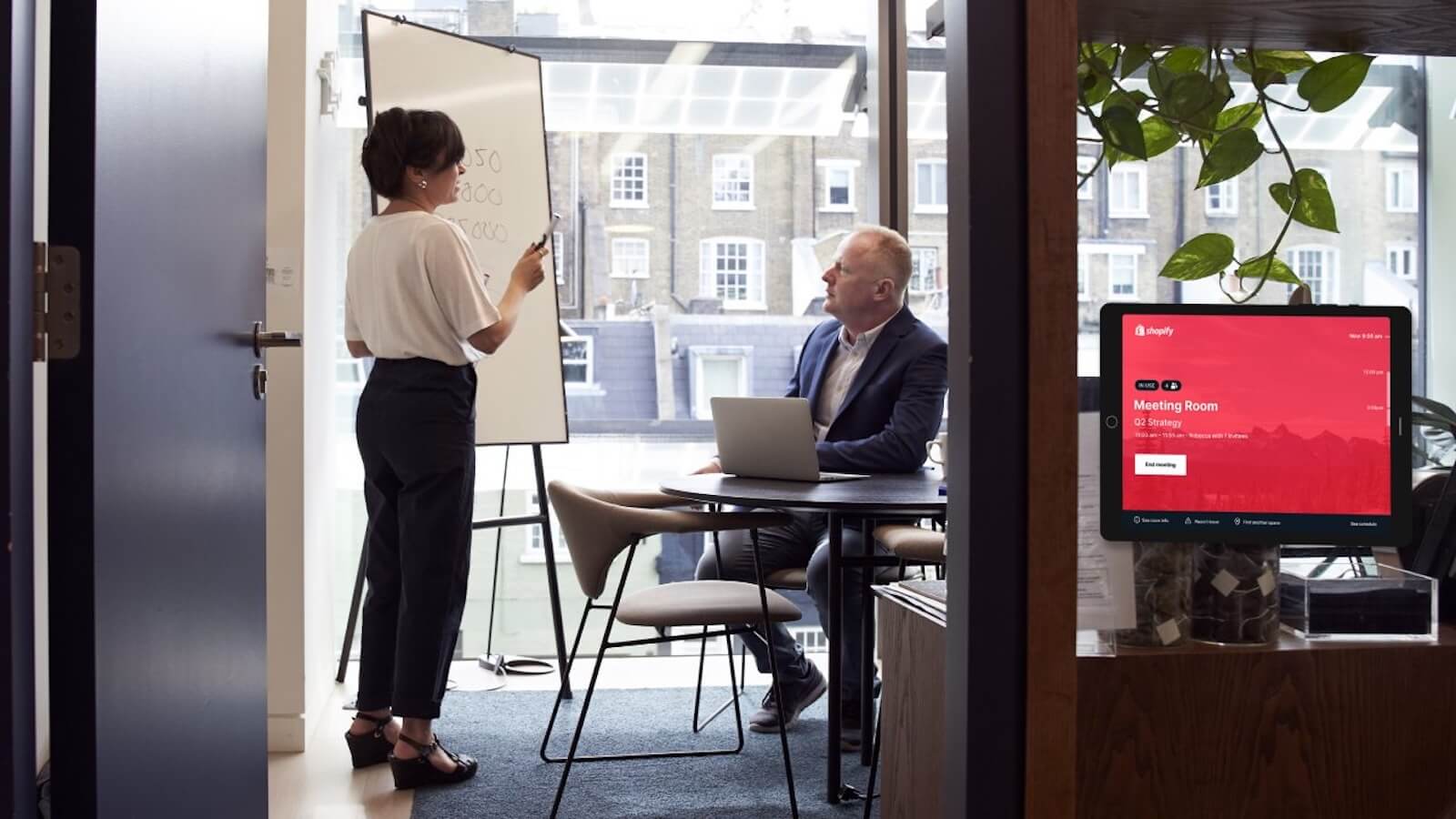
One of the biggest hurdles within a flexible, activity-based workspace is friction because this leads to a negative employee experience and low productivity. For example, if an employee commutes into the office only to spend 20 minutes wandering around looking for a place to sit, trying to find a quiet space for a confidential phone call or struggling to figure out which meeting rooms are actually free, the physical environment is a big problem.
A phygital workspace design strategy can remove this cognitive load and wasted time by connecting physical settings directly to the employee’s smartphone or digital calendar. How? With smart workplace tech.
Integrated smart desk and room-booking systems, for example, use built-in LED indicator lights built into work surfaces and furniture to quickly and easily show occupancy. A simple glance down a corridor tells an employee exactly what is available: green means vacant, red means occupied, and amber means a booking is starting soon. Simple.
Because these physical indicators are linked directly to cloud-based booking systems and under-desk occupancy sensors, the digital and physical environments stay perfectly synced. This kind of seamless technology integration removes the daily annoyances that hinder focus and productivity, giving employees full choice and control over how and where they carry out their tasks.
Blending digital and physical collaboration
While booking meeting rooms and desk space is a large part of modern working life, so is spontaneity, impromptu interactions and touchdown work. The types of casual, unplanned conversations that happen when people bump into each other at a tea station or in a corridor.
However, these interactions that happen in the physical space often don’t get translated or transitioned to the digital workspace too. This means they aren’t being fully captured and shared with the wider team, so key ideas and plans are miscommunicated. A phygital workspace ensures that physical interactions and decisions transition seamlessly into digital workflows, so that everybody stays in the loop, regardless of their whereabouts.
For example, integrating portable screens, smartboards and interactive media stations directly into collaboration settings means that a brainstorming session captured on a physical surface can be instantly digitised, saved and sent to remote team members with a single tap. This bridges the gap and allows information and ideas to flow freely without roadblocks.
Read more: The importance of transition and touchdown workspaces >>
The long-term value of a phygital strategy
Investing in a phygital workspace transformation is about way more than just updating your office technology or buying new furniture. It is a commercial decision that directly influences employee engagement, business culture and your business’s bottom line.
When a workspace functions fluidly and harmoniously, it transitions from a place people have to go to to a destination of choice they actually want to work in. It builds a genuine sense of belonging and workplace community, which is a massive driver for attracting and retaining top-tier talent. More importantly, removing the daily friction caused by mismatched technology and rigid physical layouts allows your teams to work smarter, faster and with fewer distractions.
By designing an ecosystem of diverse physical settings powered by intelligent digital tools, you create a future-proof workplace that supports wellbeing, optimises your space and gives your business a distinct competitive advantage.
Looking for a more seamless blend of physical and digital work within your office? Get in touch to learn more about how our team of experts can help.