





Sam's Summary
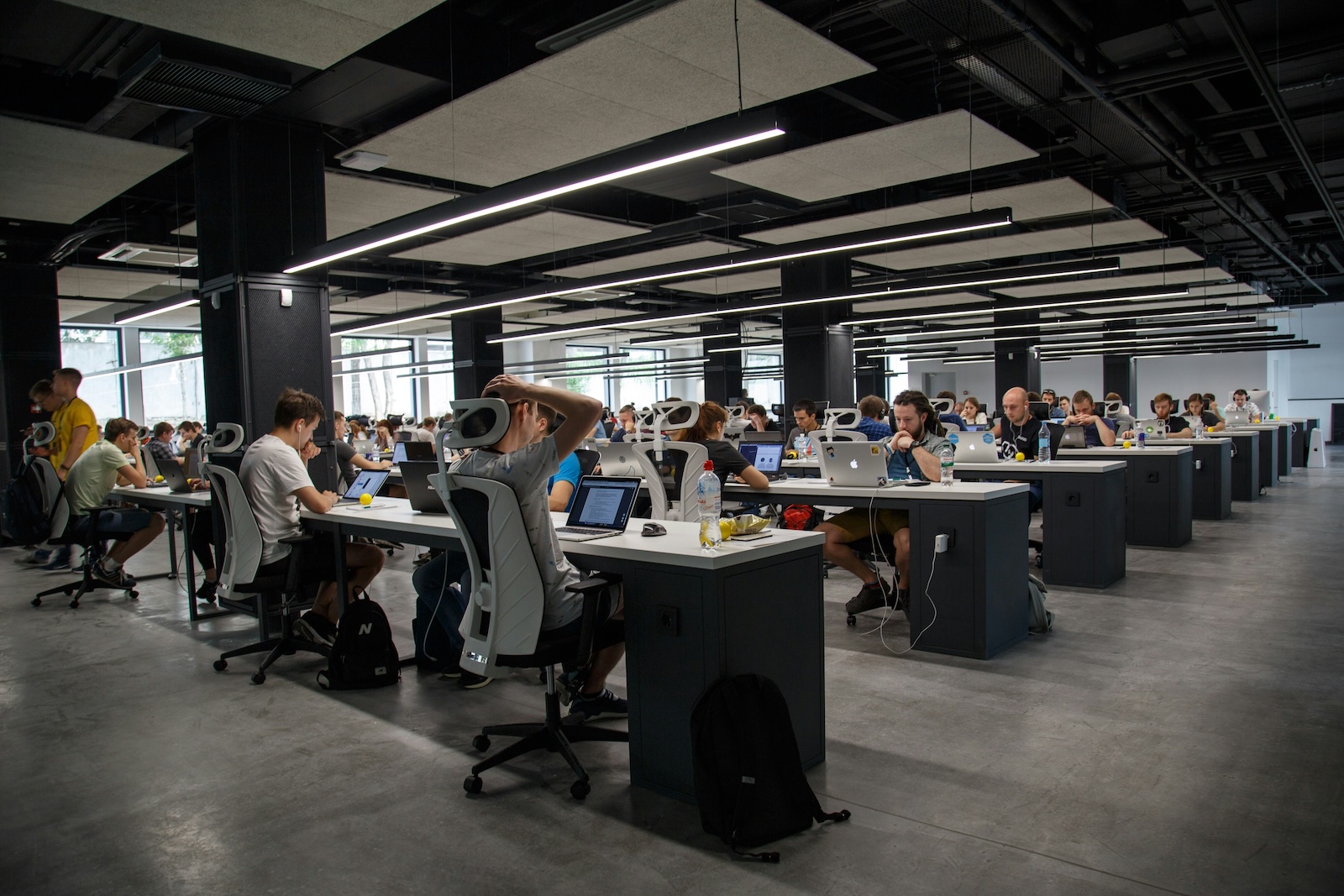
For many years (decades, in fact) office design decisions were largely driven by one question: how many desks can fit into the space? The answer to this was, of course, related to employee headcount and number of ‘bums on seats’.
That approach made sense when most people worked in pretty much the same way all day, every day. Back then, people spent most of the day at their workstation, with a dedicated desk and had very little variation in terms of working environment.
So, traditionally, offices were planned around capacity, with everything else built around it. As we explored in our last blog post about the hidden costs of keeping an outdated office, lots of workplaces are still designed this way, even though working behaviours have evolved.
Today, the ways in which people work have become way more varied, more collaborative and far less tethered to one setting. People move between focused tasks, meetings, informal conversations, video calls, socialising and collaborative work throughout the day, sometimes without spending all that much time at a desk at all.
Despite this, a lot of offices are still designed around workstation numbers rather than working patterns. Large areas of space continue to be given primarily to banks of desks, even where they are no longer being used regularly or consistently. Many desks now sit empty for large parts of the week, while meeting rooms stay fully booked, collaboration areas feel limited and people struggle to find somewhere suitable for quiet focus work and privacy.
In this blog post, we look more closely at some of the key issues with designing offices around desks and basic capacity, so that you can take a more strategic approach to your next office design and fit out.
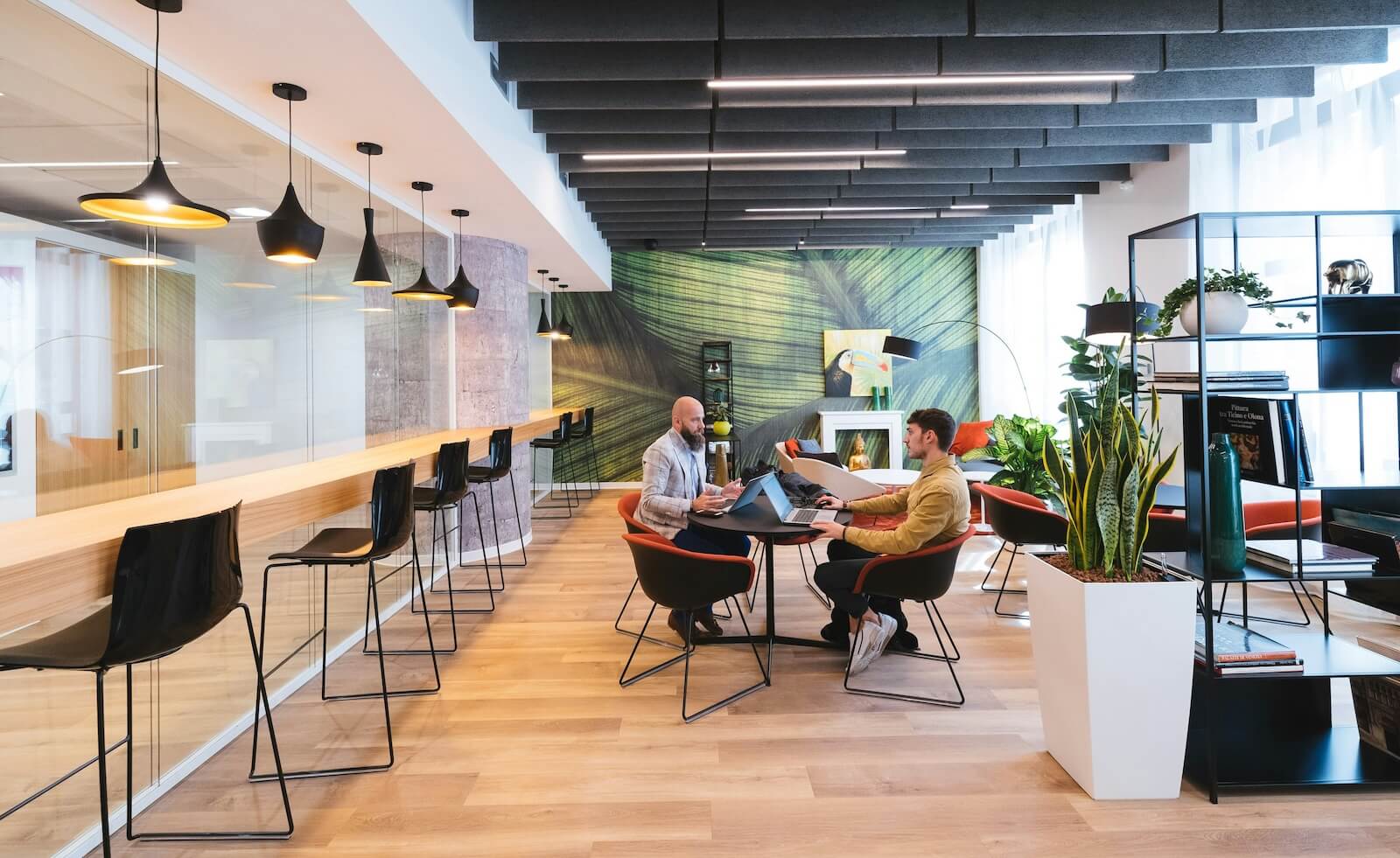
Workspaces are used differently these days
One of the biggest shifts in recent years is not just how hybrid working has become a new normal, but also the wider change in what people expect the office to support.
For many employees, the office is no longer somewhere they come purely to sit at a workstation for eight hours. More often, it is used for collaboration, project work, mentoring, meetings and social interaction as well as concentration and individual focus.
Offices these days centre more around communication and relationship-building than ever before, which has naturally changed the way specific work settings and the wider ecosystem of spaces need to function.
In offices still heavily built around fixed desks, there is often very little flexibility in how the environment can actually be used throughout the day. This means employees are offered as much choice and control as they should be. Most of the floor plan gets tied up in workstation layouts, leaving far less room for the kinds of spaces people increasingly look for.
Common problems you might start to notice in this case include:
- Teams gathering around desks because there is nowhere else to collaborate properly.
- People taking calls in corridors or breakout areas because there is no place for privacy.
- People choosing to work from home because there is too much noise pollution and distraction.
- Remote members of staff struggling to participate with resident employees because the space isn’t set up to support this kind of modern co-working.
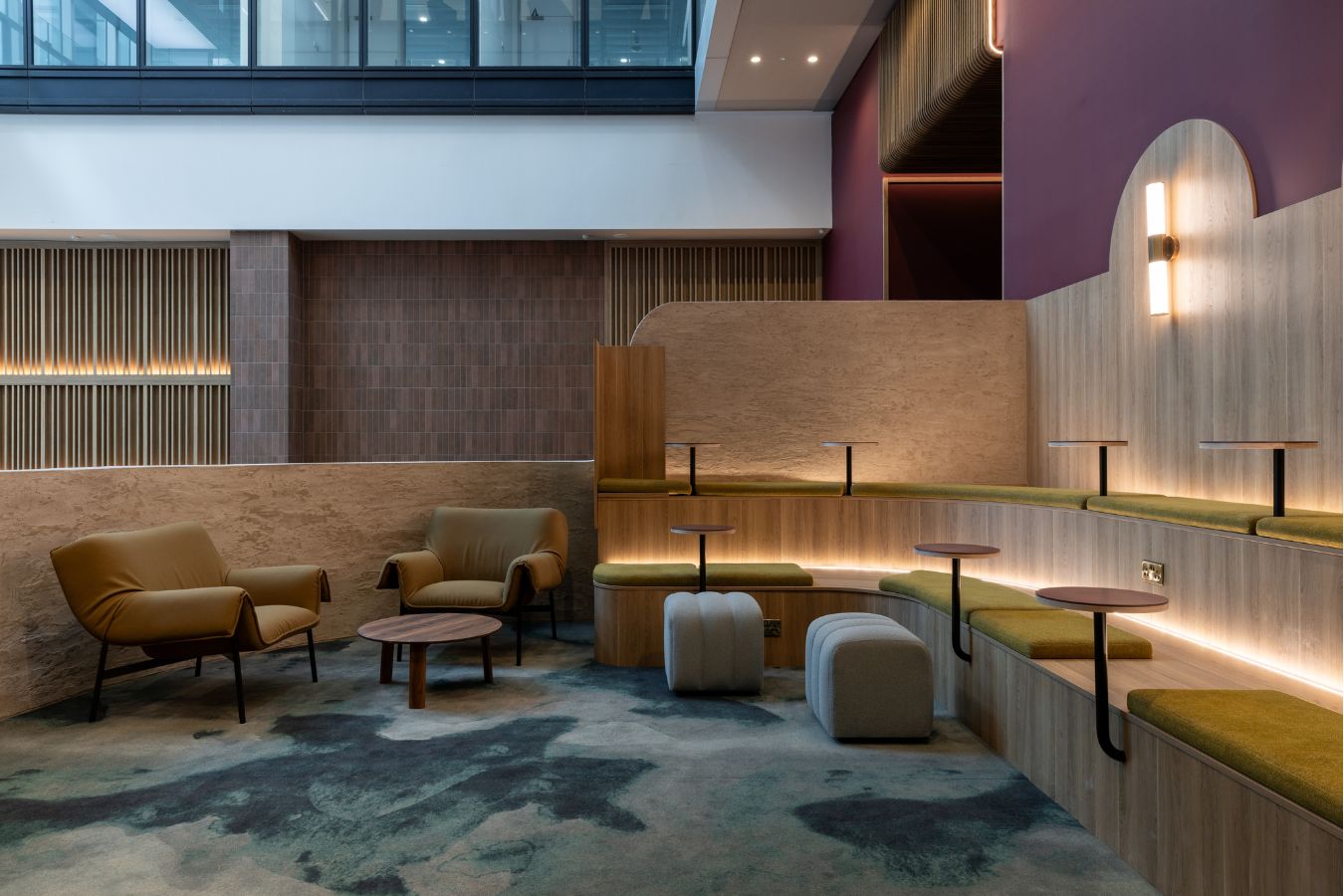
Employee expectations have changed
Employees today want more than a desk to sit at. They want spaces, settings and resources that support a whole diversity of different activities, from personal focus and dynamic teamwork to purpose-built event spaces and out-of-hours socialising on-site.
People notice when a workspace doesn’t support them, even if they are not always consciously aware of it. Employees won’t necessarily pin the problem on the physical working environment itself but they will get start to get frustrated with the insufficient functionality around them.
Usually, these struggles show up more in behaviour than direct feedback. People avoid certain parts of the office, spend more time working off-site or waste time trying to find spaces that better suit whatever they are working on. Banks of desks, even hot desks, don’t cut it for the modern workforce.
Other issues your employees are probably noticing without you realising:
- Lighting feels harsh or inconsistent.
- Furniture becomes uncomfortable (lacking in ergonomics).
- Breakout space is limited so collaboration is stunted.
- Meeting rooms are awkward to use.
- Temperature control never quite feels right.
- Indoor air quality is causing headaches.
Individually, none of those things necessarily justify a full refurbishment on their own. However, together, they shape how people feel about being in the office every day, particularly when the environment starts feeling neglected or impractical.
Read more: Why employees should be involved in the office design process >>
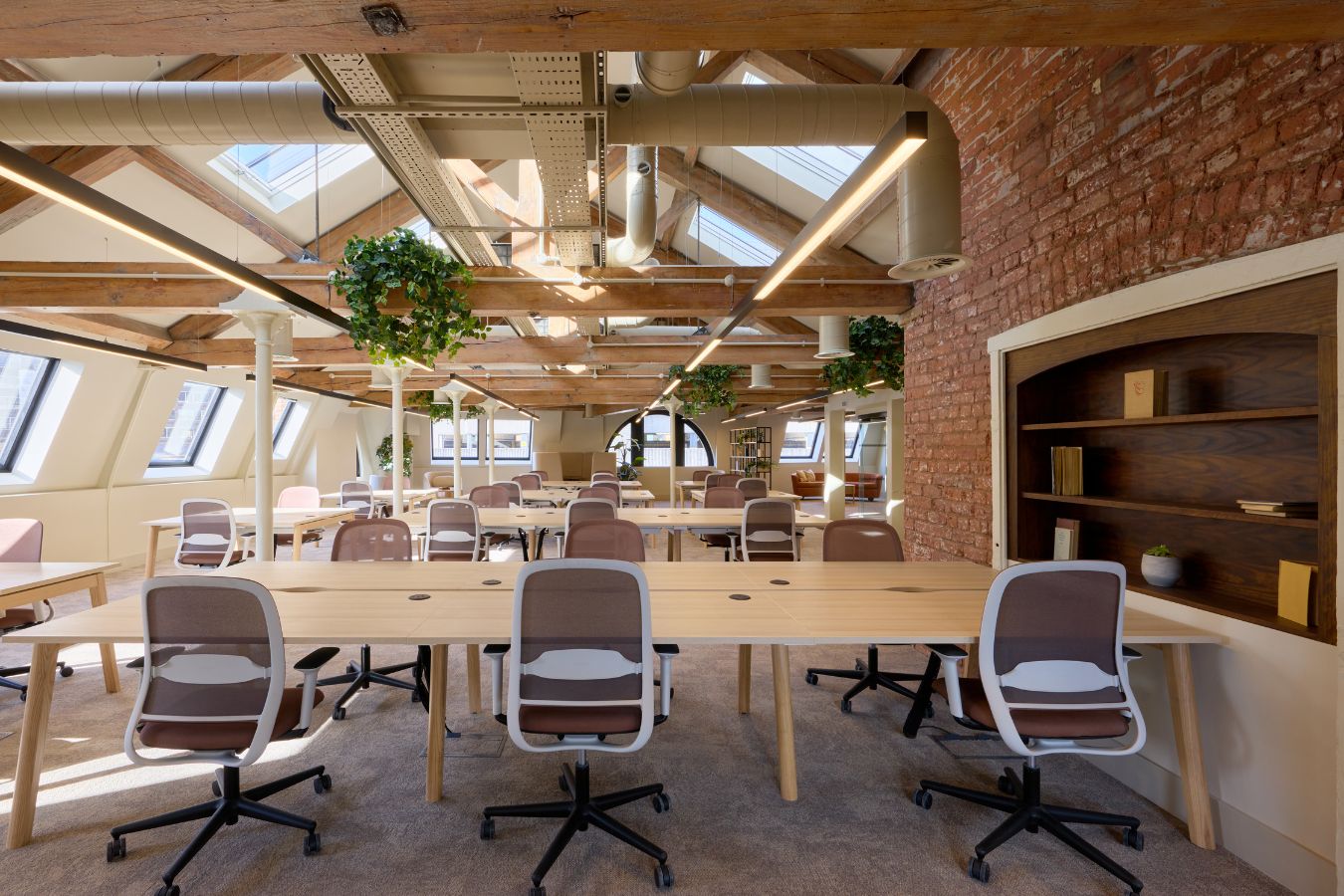
Space optimisation falls out of sync
One of the more obvious issues in many offices now is the amount of underused desk space. Because so many established businesses are still making do with outdated design, there is a whole load of empty desk space that could be put to far better use.
Large desk banks often remain partially empty for significant parts of the day, particularly in businesses now operating more flexibly in terms of culture and work patterns. At the same time, other areas of the office stay under pressure because there are not enough spaces designed for the new ways of working now encouraged.
The result is often an office that somehow feels both overcrowded and underused at the same time. Plus, wasted areas of your office footprint that are costing you money to have but aren’t returning in terms of functionality.
In some cases, businesses respond by trying to add more meeting rooms or breakout areas retrospectively. However, where the original office layout was heavily centred around desks, that isn’t always the most effective way to address the problem. Often, it’s a full space reconfiguration to change how the space is used and how it supports its users.
Read more: Zoning without walls: Space division in office fit out >>
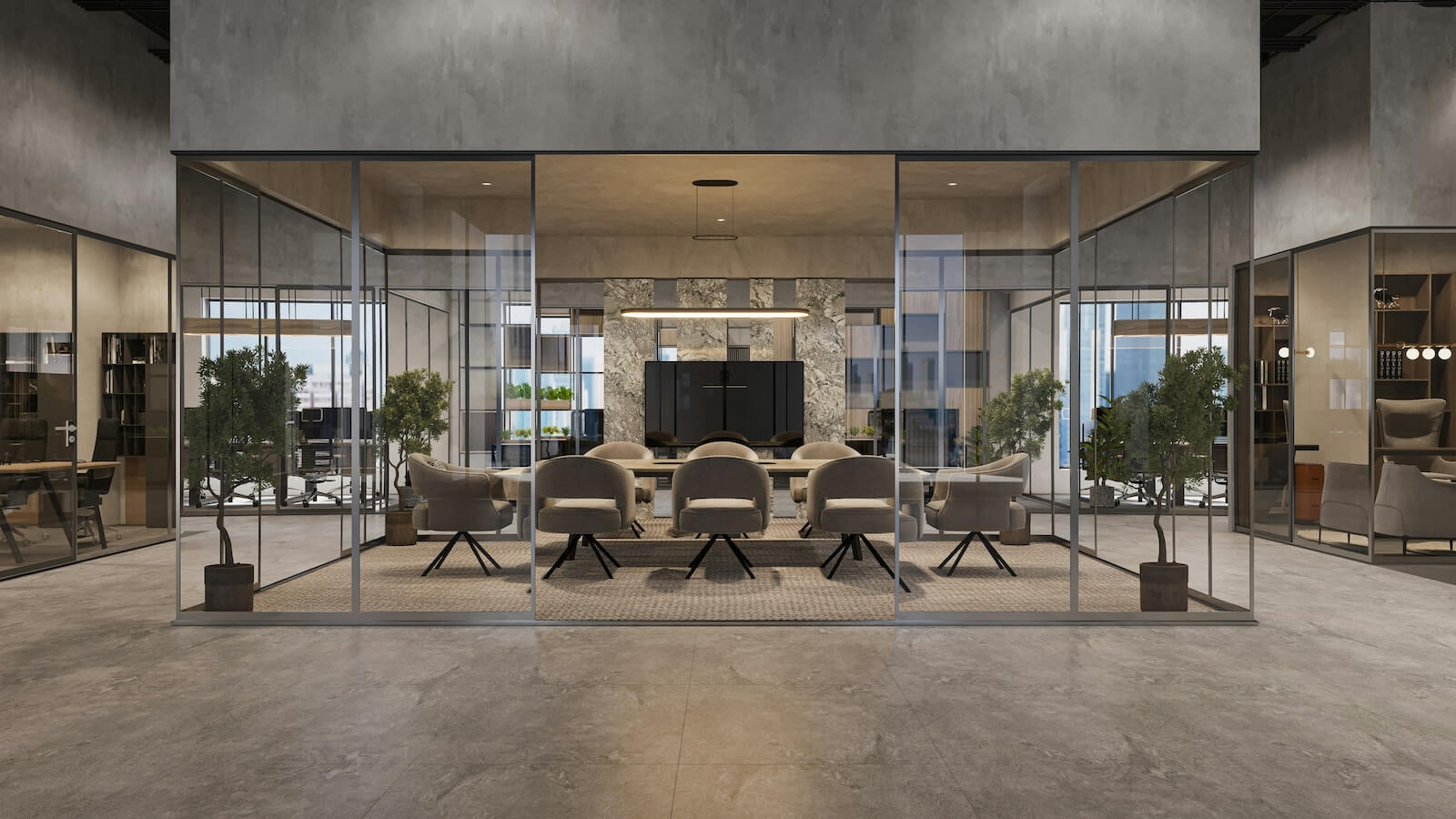
Tech is tricky
Most businesses now rely heavily on technology throughout the working day but a lot of older offices were never really designed to support that properly. It means that businesses today are, understandably, forcing AV and tech to fit in with what they already have in terms of furniture and fit out.
However, as the modern working world continues to evolve, this approach is causing issues to arise, such as:
- Video calls aren’t seamlessly managed.
- Connectivity varies depending on where people are sitting.
- Meeting rooms lack proper integration.
- Charging points never seem to be where they are actually needed.
A modern office fit out deals with this effectively by considering technology as part of the workplace infrastructure from the beginning rather than layering it into the space afterwards. This includes refreshing desking to include desks that are tech-integrated, so that the desks in the space become multifunctional and supportive of myriad tasks and activities.
Bringing your desks up to date
Don’t get us wrong, desks are going nowhere and we’re glad about it. Desks still play an important role in most workplaces and always will. The issue isn’t the presence of desks themselves but rather the tendency to design entire offices around them without enough consideration for how people actually work and move around the workspace as a whole.
Most businesses need a wider variety of spaces than they did previously, particularly as collaboration, focused work, informal interaction and flexibility all compete for space within the same environment.
A well-considered office design scheme starts by understanding those behaviours first and then shaping the workplace around them. Yes, desks will always be a huge part of this but don’t overlook all of the other critical work settings that will help your business thrive.
Our team of specialists are here to support you from strategy through to delivery, so get in touch and tell us about your project.