



From mass remote working to hybrid models, hot-desking debates and a gear change from blank corporate spaces to ball ponds and slides… It’s fair to say the modern workplace has had a bit of an identity crisis in recent years.
By 2026, it seems things are settling into a much more confident groove. Offices are no longer trying to be everything all at once or bribing people back with neon signs and foosball tables. Instead, commercial interiors are becoming more thoughtful, more human-centric and overall, more enjoyable to spend time in as destinations of choice.
Across the UK, office fit outs are focusing on how spaces feel, not just how they look. Design is being used to support wellbeing, express brand personality and accommodate the reality of modern working life, all while keeping sustainability firmly front of mind.
In this blog post, we explore 10 of the key office interior design trends set to shape our workplaces throughout 2026 and beyond.
1. Tactile and sensory design
In 2026, office design schemes are going to be leaning into texture in a big way. Tactile and sensory design is all about creating spaces that feel dynamic, layered and engaging for all of the senses, including visual, audio, touch and even scent.
Think ribbed glass, timber slats, textured wall finishes, boucle seating and acoustic panels that do more than just dampen noise. Think different soundscapes in different work settings and scents designed to influence the experience of each space – even bespoke aromas that add an extra unique dimension to modern brand identity.
Lighting, acoustics and spatial flow all play a role in how a workspace is experienced. Different textures are often used to subtly signal how an area should be used, e.g., softer finishes for focus zones, more eclectic textures for collaborative settings, playful finishes in social spaces and subtle surfaces in relaxation areas.
Read more: A sense of scent: multi-sensory office design >>
2. Sustainability and organic materials
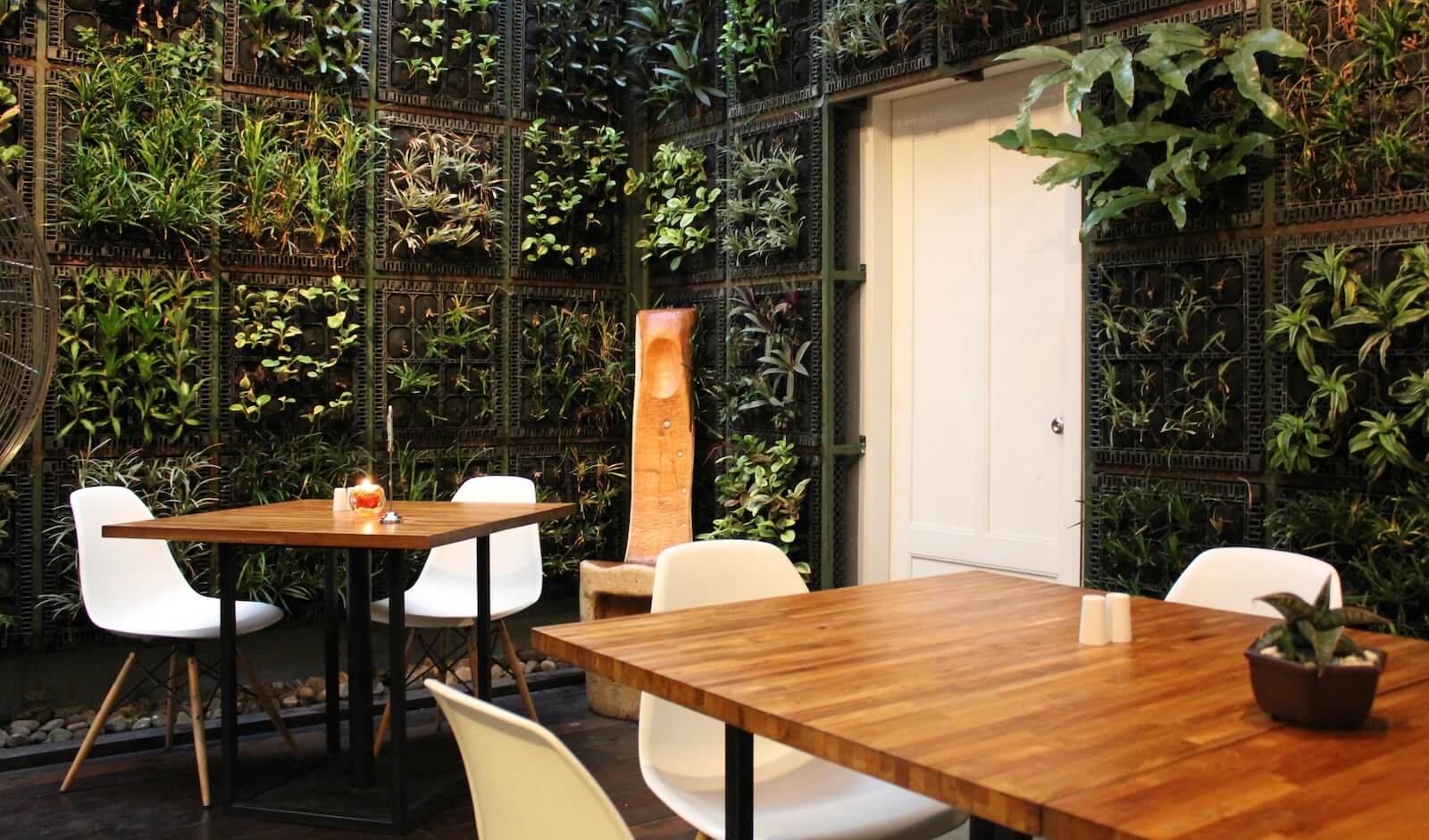
Sustainable office design isn’t going anywhere but in 2026, it’s less about shouting and more about substance. Businesses are moving past surface-level green credentials and focusing on choices that genuinely make a difference over time. After all, actions speak louder than words and a responsibly designed workspaces says a lot more than an arbitrary annual sustainability report.
Organic materials such as timber, cork, clay, wool and linen are being specified for their durability, low environmental impact and timeless appeal. They bring warmth and tactility to offices, while also ageing gracefully and supporting the ongoing shift towards more eco-friendly commercial design practices.
There’s also a stronger emphasis on reuse, upcycling and adaptability. Retaining existing features, reconfiguring layouts instead of ripping them out, and choosing modular furniture systems are all part of a more considered, long-term approach.
Reusing and upcycling existing furniture in workspace transformations is something we’ve worked on for multiple clients lately and this conscious approach is a pleasure to see and support.
Case study: Furniture consultancy and relocation for Sellick Partnership >>
3. Imperfection and human design
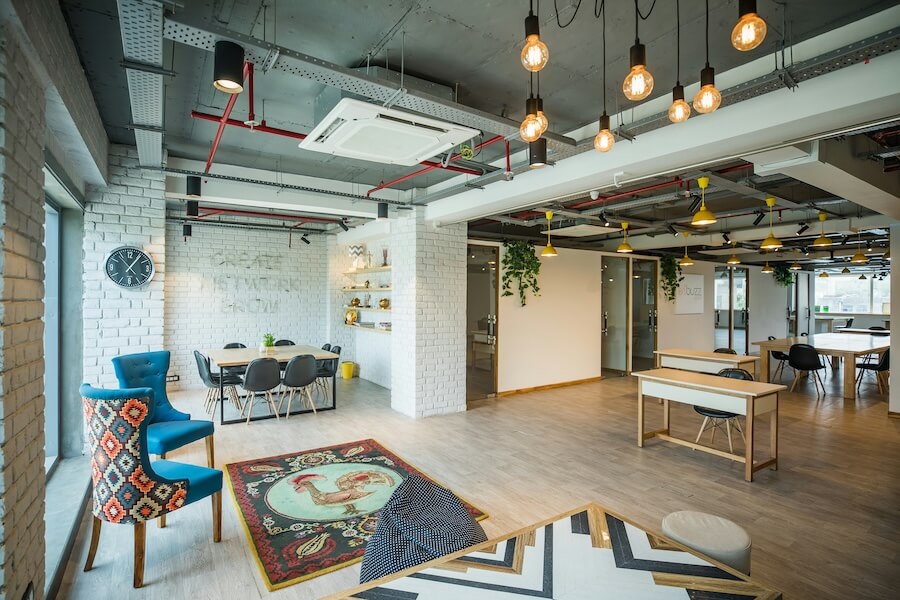
In 2026, office interiors are embracing design that feels more human and in this context, ‘human’ means finding beauty in imperfection and not being afraid to embrace ‘flaws’ in design. Think sections of exposed brick, tiles laid without a spirit level, odd-shaped doorways without perfectly smooth curves or sharp angles and raw worktop edges.
These elements give spaces personality and depth, adding character and authenticity, helping them feel less corporate showroom and more real-life workplace. This kind of design language mirrors the way people actually work and interact creatively, collaboratively and socially.
Sometimes everything goes smoothly, sometimes there are bumps in the road and commercial interior design is now embracing this human grittiness too.
4. Nostalgic design and retro elements
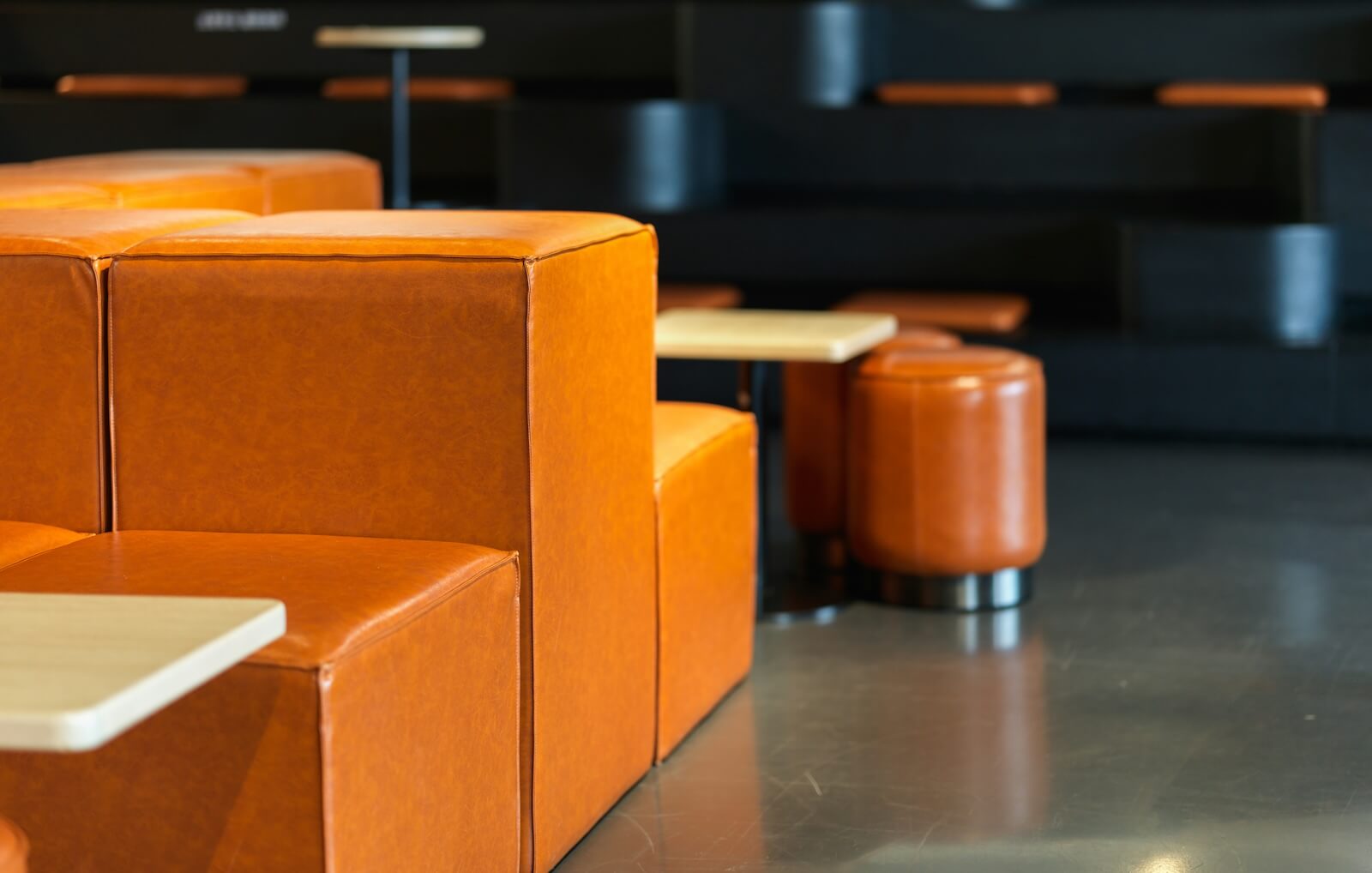
We’re expecting nostalgia and retro design to be a big theme in office interiors in 2026 and beyond, with subtle nods to past decades popping up throughout fabrics, finishes and furniture.
Retro colour palettes, statement lighting from bygone eras, furniture silhouettes from over the decades and nostalgic decor are being mixed with contemporary layouts, modern functionality and today’s essential sustainability standards.
These touches of nostalgia can make offices feel more welcoming and less transient, which is particularly important in hybrid workplaces where employees might only be in a few days a week. A space that feels comforting and characterful is far more likely to tempt people in than something cold and generic.
5. Bold typography
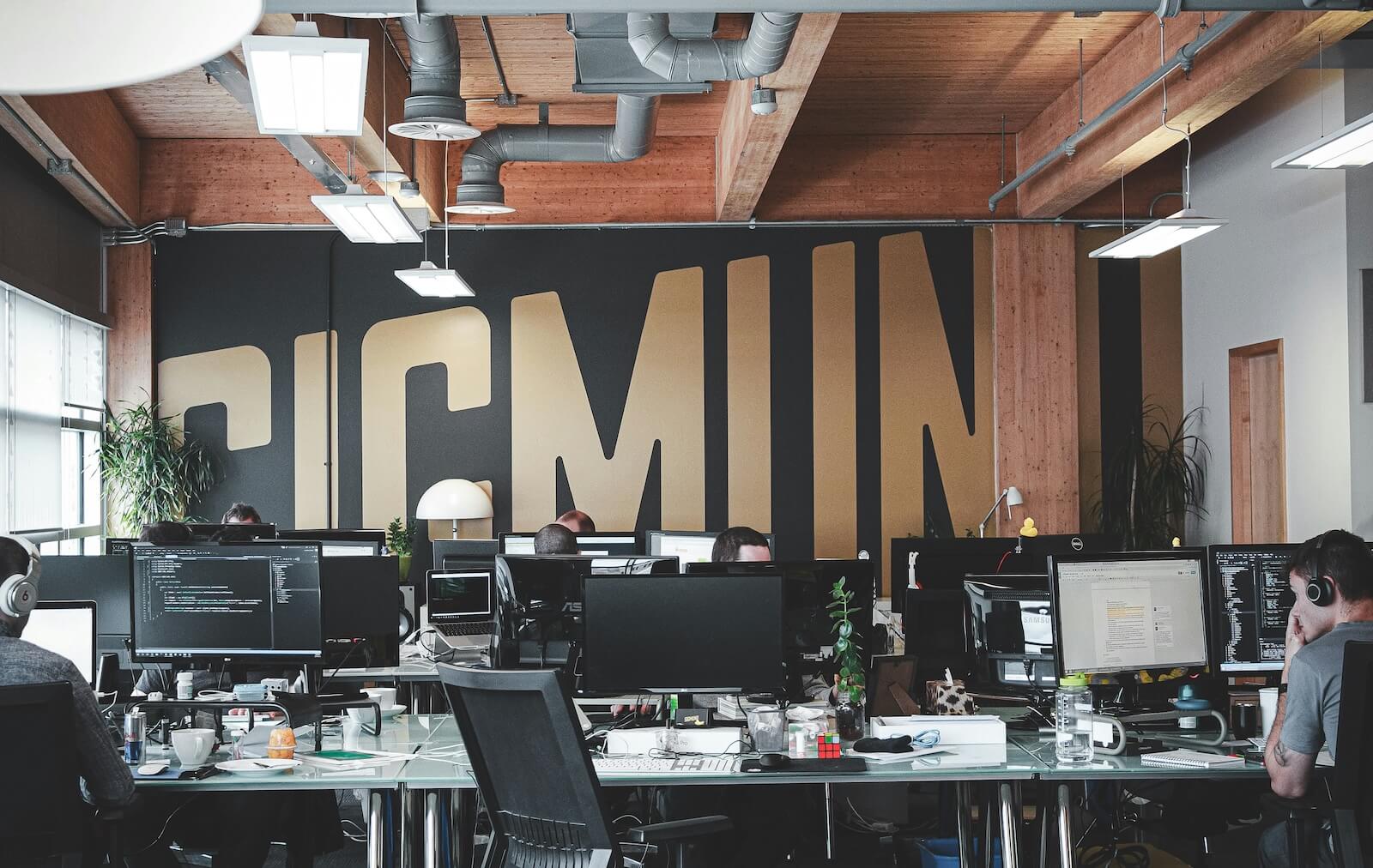
Bold typography is being used as a core design feature, integrated into partition walls, feature walls and reception areas. It can be used for wayfinding, brand manifestation or simply just a unique way to personalise a workspace.
Rather than generic quotes and graphics, businesses are using bespoke type treatments that reflect their tone of voice, company values and brand identity. Done well, typography becomes part of the architecture, not just for decoration or aesthetics.
This approach is especially effective in flexible or shared environments, where space needs to work harder to communicate culture. When visitors (and employees) walk in and immediately understand who you are and what you’re about, that’s brand manifestation doing its job.
Read more: Brand identity and office design >>
6. Using colour to influence mood
Colour is going to be instrumental in 2026 office design and it’s not just there to look pretty. Designers are using different tones, hues and shades strategically to influence mood, behaviour and energy levels across different work settings.
Simple, cooler tones tend to feature in focus areas, helping reduce visual noise and support concentration. Collaboration zones and social spaces often use warmer or more vibrant colours to encourage interaction and creativity. Wellness rooms and quiet spaces lean towards softer, nature-inspired hues for a more calming effect.
The key trend here is intention when it comes to design language. Colour is being chosen with purpose and paired carefully with lighting, texture and acoustics to create balanced, supportive environments.
Read more: Colour as the great communicator in office interior design >>
7. Next-level flexibility
Flexibility has been a buzzword for a while but in 2026 it’s getting a reality check and putting functionality first. Offices are moving away from gimmicky solutions and towards genuinely adaptable spaces that work day to day for an increasingly diverse workforce.
Movable partitions, modular furniture and multi-use rooms allow spaces to shift easily between meetings, workshops, focused work and social use. The emphasis is on practicality and ease, i.e., flexibility that people actually want to use, rather than features that look good on a floor plan but don’t actually serve much practical purpose.
It also happens to be a win for sustainability, reducing the need for major changes as teams and working patterns evolve.
8. Wellbeing-led design
Wellbeing-led design is still front and centre in 2026 and moving even further beyond token gestures. Instead of ticking boxes, offices are being designed to genuinely and strategically support physical and mental wellbeing in the workplace.
Natural light, good air quality, acoustic control and access to quiet spaces are now standard expectations for modern workers. Biophilic elements and their interior benefits are still popular, but they’re often more subtle and integrated than before.
There’s also a growing focus on inclusivity and neurodiversity, recognising that people experience the physical environment differently. Providing more choice and control, from social hubs to quiet corners, helps create settings where more people can do their best work, in their own way.
9. Tech-enabled spaces that feel human
Technology is still absolutely central to the modern workplace but in 2026, the trend is about making it more subtle, seamless, integrated and intuitive than ever.
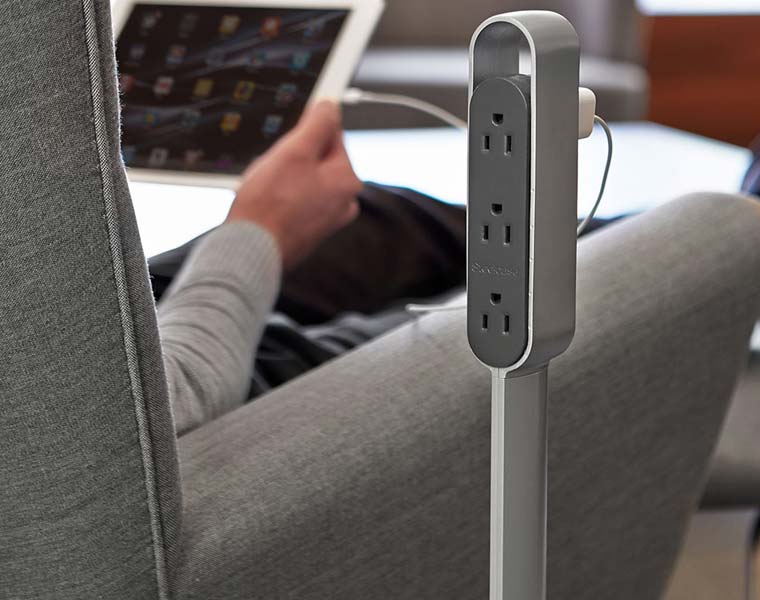
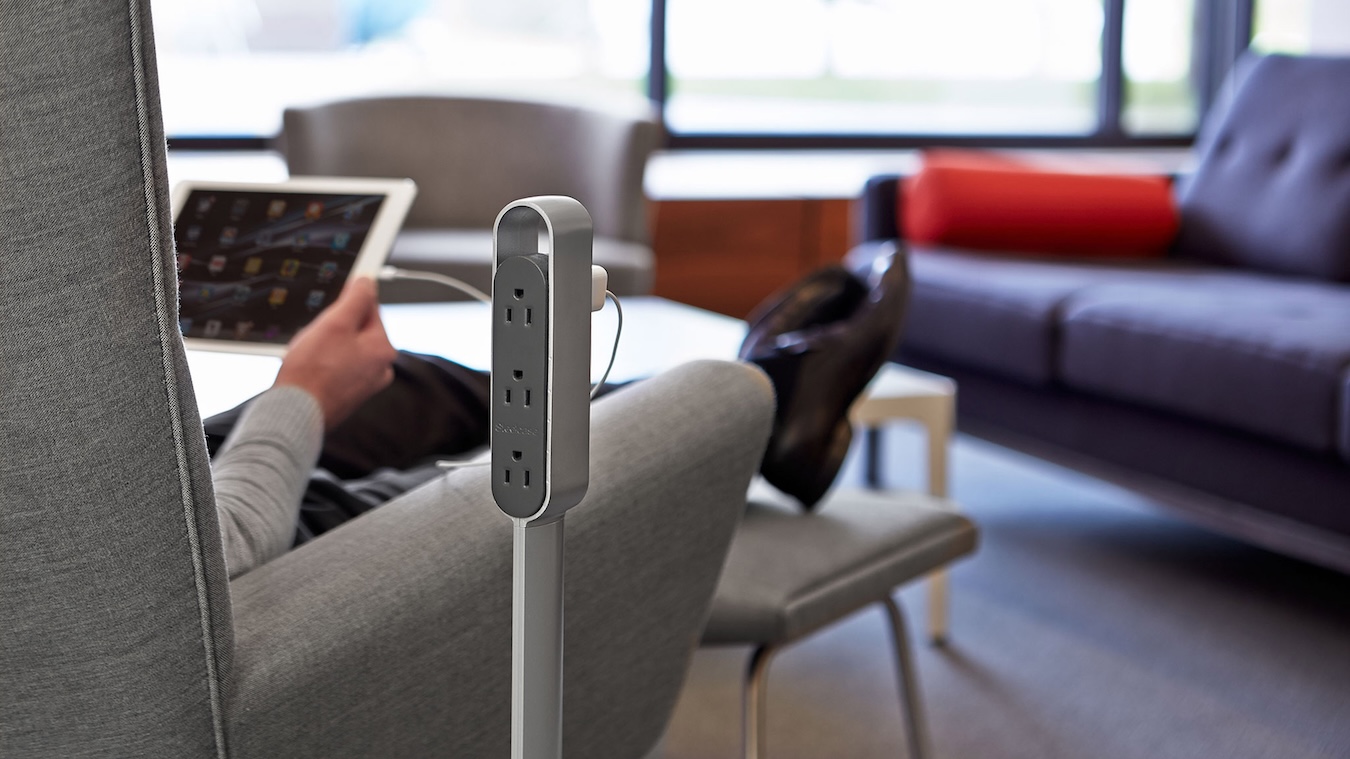
Gone are the days of clunky screens, tangled cables and meeting rooms that lead to wasted time figuring out how everything works. Instead, tech is being seamlessly integrated into the fabric of the space: wireless charging built into furniture, discreet AV systems, smart lighting and occupancy sensors that optimise energy use in the background.
The aim is to remove friction from the working day, not add to it. When technology works intuitively, people stop noticing it and simply reap the productivity benefits of it being there. Offices in 2026 feel calm, considered and human, even though there’s plenty of clever tech working behind the scenes.
10. Hospitality-style design
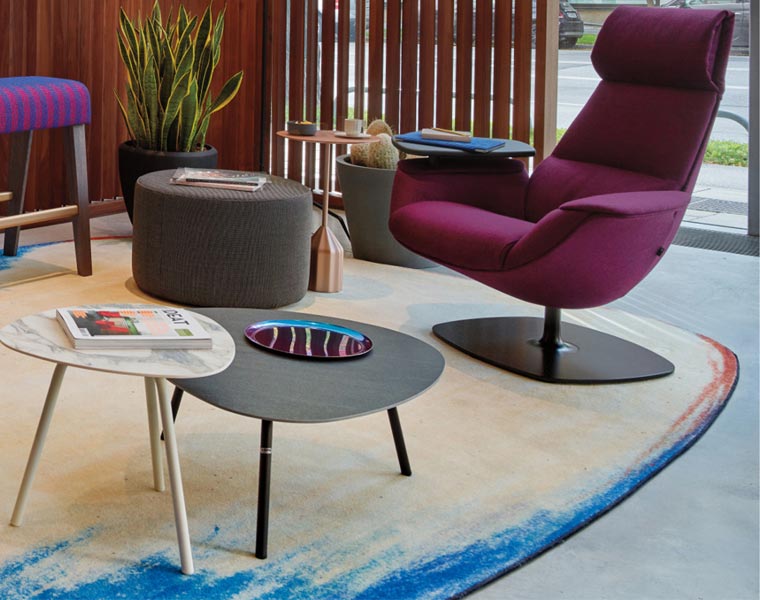
The line between workplace and hospitality continues to blur in 2026 as commercial design boundaries melt and hospitality inspires workspace design. Offices are borrowing cues from hotels, cafés and members’ clubs to create environments people want to spend time in, not just have to.
This shows up in softer lighting, more residential-style furniture, layered textures and inviting, engaging social spaces. Reception areas are becoming more like lounges, while meeting rooms and breakout spaces move further and further away from corporate tradition.
Hospitality-led design isn’t about turning the office into a coffee shop, it’s about creating warmth, comfort and fostering a positive, holistic experience. When people feel welcomed and at ease, things like collaboration, productivity and loyalty tend to follow.
Read more: Hospitality interiors as a trend in office design >>
Looking to refurbish your office? Get in touch with our experts to learn more about how we can help make your project a success.