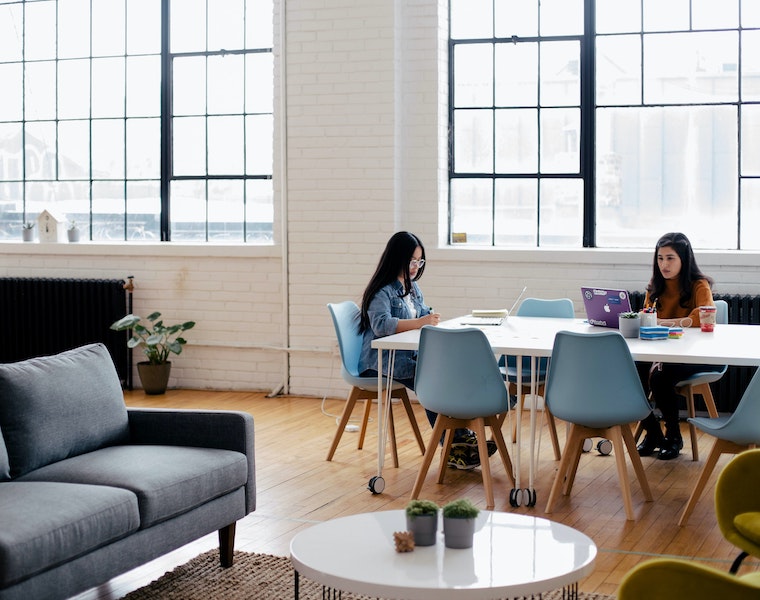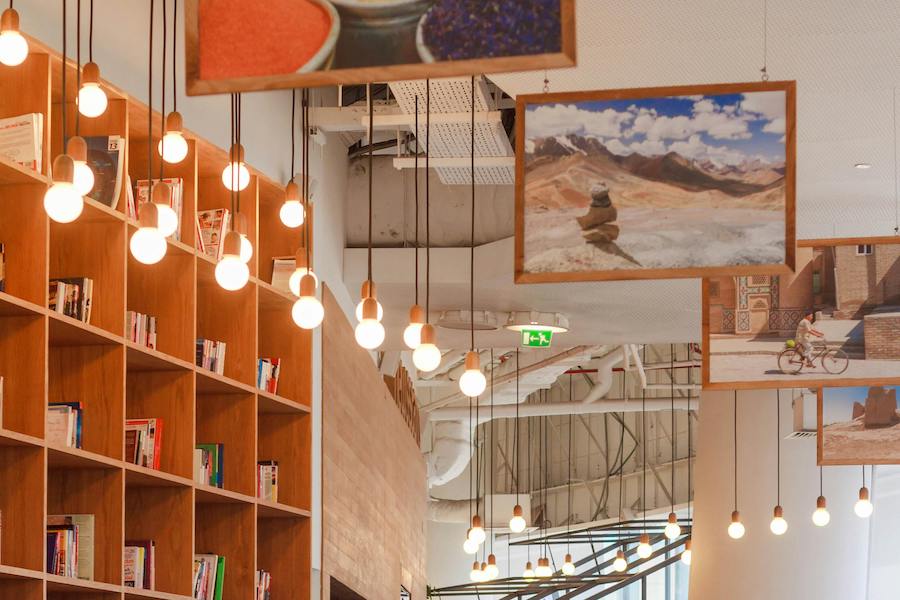






In the ever-evolving working world, productivity doesn’t just come as a result of cutting-edge tech or company culture. The physical working environment staff experience every day plays a huge role in how productive teams and individuals are, which is why getting your office design right is so important.
A well-designed office can energise staff, support collaboration, minimise distractions and ultimately boost performance. On the flip side, fit out and design faux pas can significantly impact things like morale, focus, output and employee wellbeing.
In this blog post, we explore some common office design mistakes we see and provide practical insights on how to avoid them. Whether you’re planning a full office fit-out or refreshing an existing space, these tips will help you make design decisions that elevate productivity, not hinder it.
Forgetting to put people first
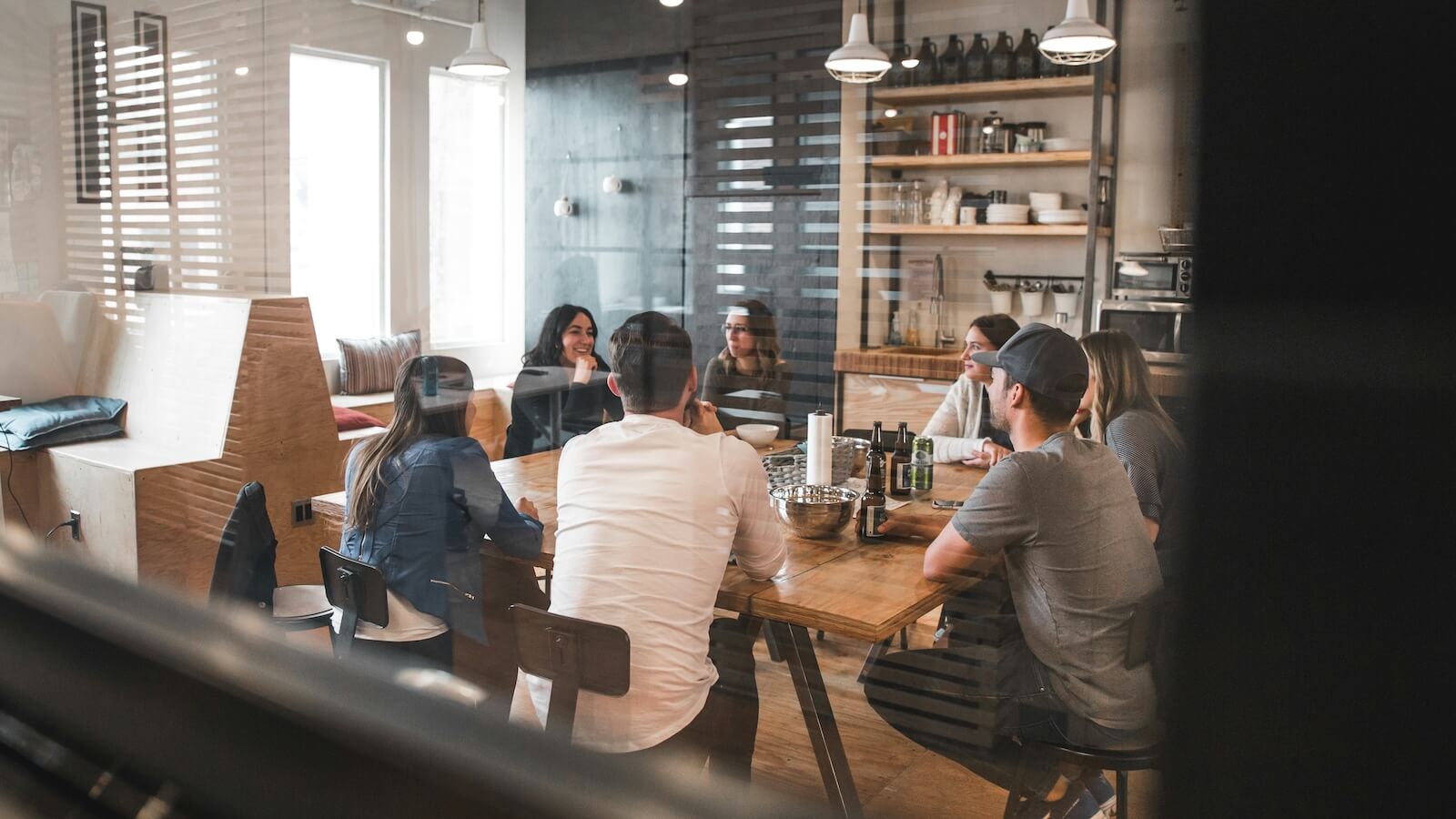
One of the biggest pitfalls in office design is focusing on aesthetics or trends without taking the time to actually understand how people actually work and how they want to use the space.
In this common scenario, the look and feel of the office is prioritised over its function. The space may look Instragram-worthy but if it doesn’t support the behaviours and tasks your teams need it to, productivity is going to suffer as a result of style over substance.
Employees have varied work styles, needs and preferences, from private focused work to collaborative problem-solving. A one-size-fits-all approach driven primarily by aesthetics ignores this diversity and can leave individuals struggling to do their best work.
Suggested solutions:
Put the people who will be using the space at the centre of your design decisions. Conduct surveys, hold focus groups and engage space-users and other stakeholders early in the design process to understand:
- What types of work dominate daily workflows
- Where staff feel productive and where they feel blocked
- Which spaces get used and which don’t
By grounding design decisions in real-life user insights, you can create environments that genuinely support productivity, based on the nuances of your workforce and your unique workplace issues.
Read more: Why employees should be involved in the office design process >>
Not having noise under control
Open-plan offices have become popular for promoting transparency and collaboration but without thorough acoustic considerations, they can just as easily become noisy, distracting environments that kill focus and productivity.
Excessive background noise from conversations, phones, movement and office equipment can make it difficult for employees to concentrate, especially on tasks requiring deep focus. Not only is this annoying, it can also significantly hinder cognitive function, especially for neurodivergent space-users with auditory issues.
Avoiding acoustic problems
Here are some tried and tested tactics we use during office fit out and design projects to ensure noise doesn’t stand in the way of performance for our clients and their employees:
- Zoning acoustics – Separate collaborative and focus areas with sound-absorbing partitions.
- Acoustic materials – Integrate things like baffles, ceiling panels and soft furnishings that dampen sound and absorb excess background noise.
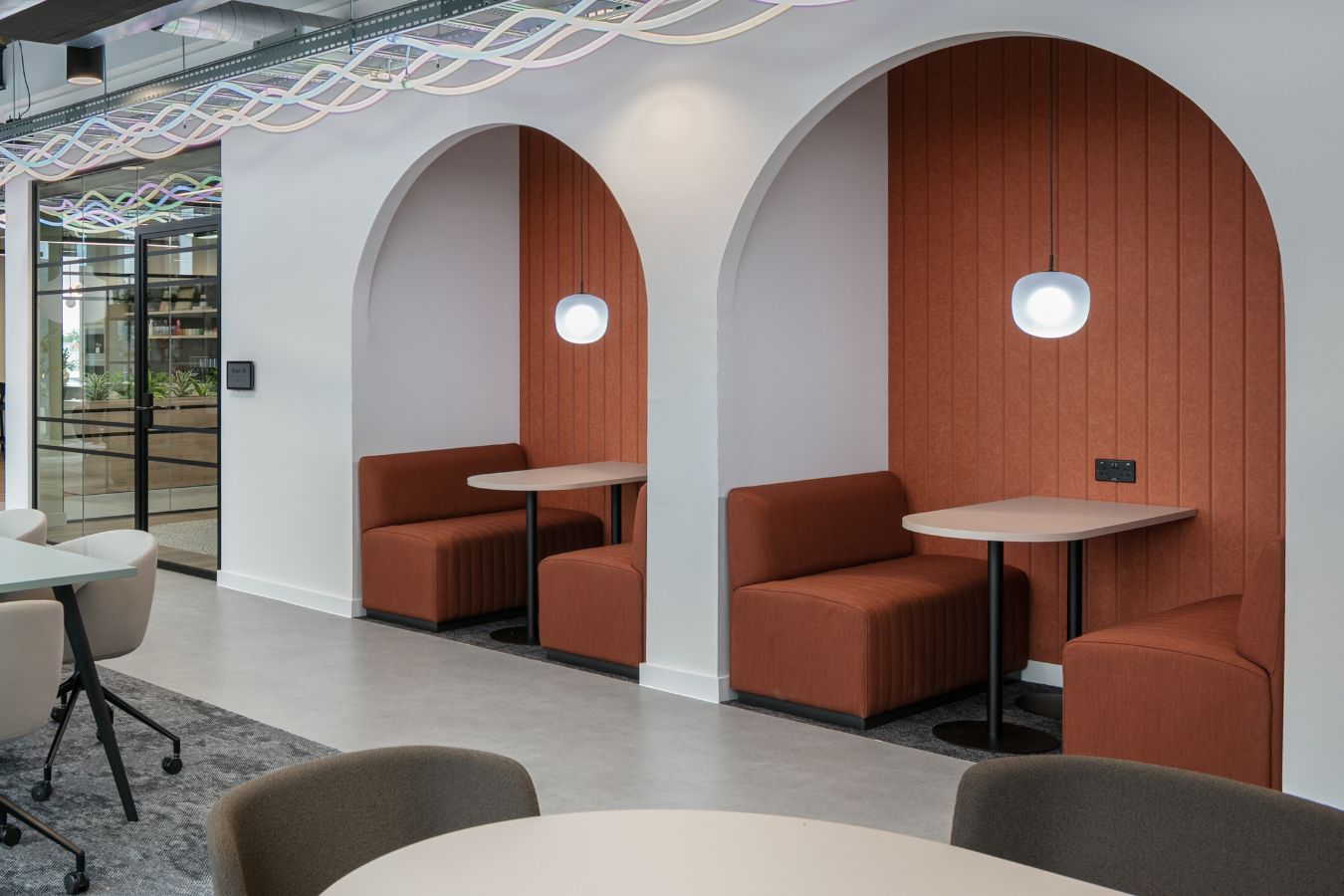
- Quiet rooms – Provide dedicated enclosed spaces for concentration and privacy. If there isn’t space for allocated rooms, try semi-enclosed or fully enclosed booths instead.
Thoughtful noise control through strategic design and fit out ensures collaboration doesn’t come at the expense of productivity, especially in open-plan environments.
Overlooking ergonomics
A workspace that ignores comfort may look sleek and minimal in terms of style but in practice, it can lead to fatigue, physical discomfort and reduced productivity for those using it day-to-day.
Some of the most common ergonomic mistakes we see include:
- Design-led chairs that look cool but neglect comfort and physical support
- Desks and surfaces at the wrong heights
- Awkward tech and monitor placements
- Lighting choices that look nice but cause headaches and eye strain
- Power and connectivity ports in places that are hard to access
Left unchecked, discomfort and poor ergonomics lead to frequent breaks, fatigue and distraction, especially when employees spend long hours in work settings. Making sure staff are comfortable and supported, wherever they choose to work, is vital for sustained focus, productivity and overall wellbeing.
The solution?
Prioritise ergonomics over things like trends, colours and aesthetics when it comes to picking things like furniture, lighting and other fit out elements. Ergonomic furnture is the perfect place to start, including adjustable task chairs and sit-stand desks. If you’re not sure where to begin, working with an office fit out partner like the Penketh Interiors team will help steer you in the right direction.
Read more: Why ergonomic office design is more important than ever >>
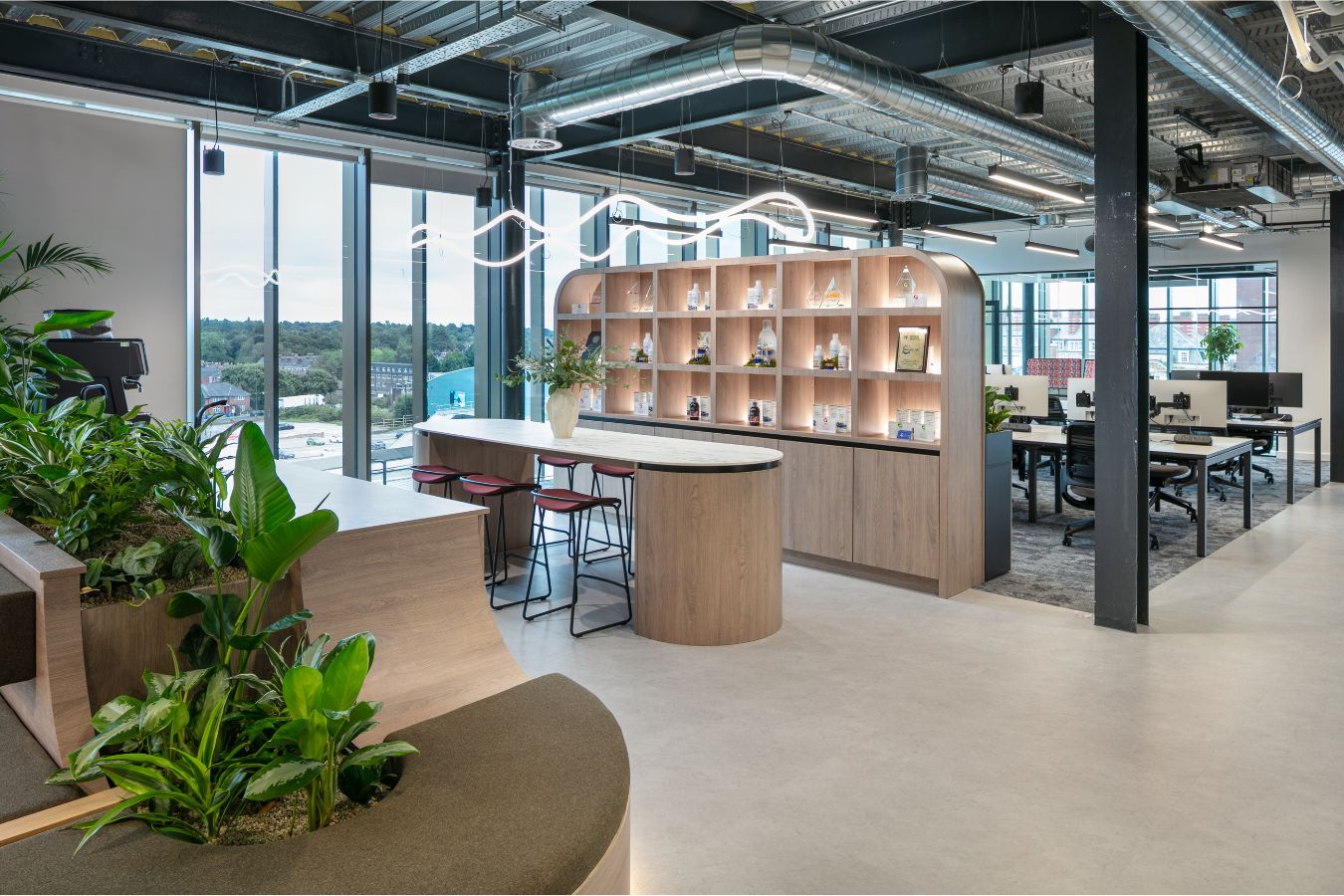
Failing to provide a variety of workspaces
Every type of work doesn’t happen in the same way and different members of the workforce need to work in different ways. A one-dimensional approach to design that fails to account for varied work modes like solo tasks, impromptu collaboration and formal meetings will almost certainly kill productivity levels.
Inflexible, uniform spaces often force employees to improvise by meeting in corridors, huddling by windows or perching in empty rooms wherever they can. This lack of structure and dedicated settings interrupts flow, wastes time and fragments productivity. It also demotivates people by limiting the choice and control they have over where, when and how they work.
Diverse work settings to consider
- Focus zones – Quiet spaces for concentration, privacy and relaxation
- Collaboration spaces – Dynamic settings that support all kinds of co-working
- Meeting rooms – Tech-equipped and acoustically enhanced for team sessions
- Breakout areas – Casual settings for rest, social interaction or informal brainstorming
- Social spaces – Dedicated areas for relationship-building and non-work-based bonding
Varied settings help work feel like it belongs where it happens and supports different productivity modes effectively as a result, even if being productive means finding rejuvenation at points in the day.
Underestimating lighting and air quality
Lighting, temperature, ventilation and air quality are often overlooked when planning office design schemes because not all of them are things that can be seen. However, all of these elements have a direct impact on wellbeing and productivity, so it’s essential to consider them as part of the overall fit out.
Insufficient natural light or poorly configured artificial lighting can cause eye strain and fatigue, while glare from reflective surfaces or screens can distract staff and slow workflow. Poor air quality can also cause fatigue, headaches and hinder cognitive function, as well as impacting absenteeism as more illnesses circulate.
How to approach lights and indoor air
- Use different types of lighting that support different work tasks – tailor the light levels and ambience depending on the function of the setting.
- Monitor temperature and ventilation to avoid too hot, too cold or stuffy spaces.
- Maximise access to natural daylight where possible by leaving windows free and removing any unnecessary walls, doors and other physical barriers.
Read more: Zoning without walls: Space division in office fit out >>
Overlooking storage and organisation
Cluttered workspaces don’t just look untidy and reduce space, they can slow workflow by making things like tools, office supplies, tech and equipment hard to find or access.
Poor storage can also create psychological stress and reduce overall efficiency, which all have a negative impact on productivity levels. You know what they say about a tidy desk and a tidy mind…
Savvy storage solutions
Provide a variety of different storage solutions in as many work settings as possible. This doesn’t have to mean classic desk caddies or shelving units – it can also mean cleverly concealed storage within furniture.
Common and effective storage solutions we incorporate into many of our clients’ workspace include:
- Desk-integrated drawers
- Locker units to get personal belongings out of the way
- Centralised shelving units for shared materials
- Pouffes, ottomans and cradenzas that look stylish but also boost storage space
- Space dividers that double as extra storage
- Digital storage systems to reduce paper
Thoughtful storage keeps spaces clean, functional and primed for optimal productivity.
Transforming your workspace and want to get it right? Our team of specialists are here to support you from strategy through to delivery, so get in touch and tell us about your project.