






The traditional single-office model doesn’t suit every business anymore. For those that want to scale fast, expand operations, tap into new markets or attract talent from outside your immediate area, establishing a national office presence could be the key to your success.
Having multiple offices across key UK cities like London, Manchester, Liverpool and Edinburgh isn’t about ticking boxes or keeping up with competitors. It’s about building genuine connections with customers, accessing diverse talent pools and creating flexibility that supports sustainable growth.
In this blog post, explore the benefits of multi-site offices, advice for when choosing your locations, tips on managing multi-location projects, and how to find the best contractors to work with.
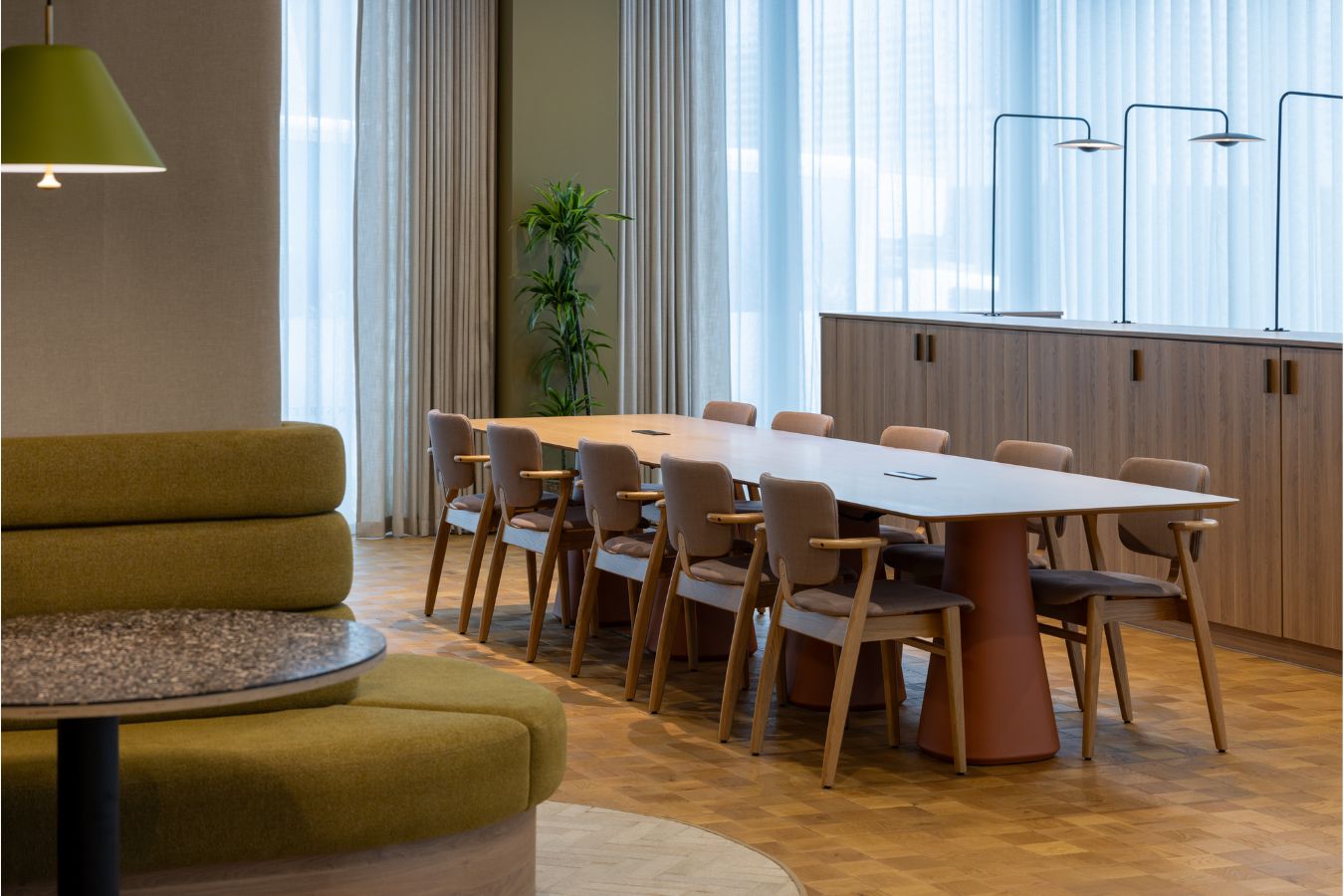
The benefits of multi-site workplaces
The shift towards having national office presence has increased over recent years, driven by changes in how we work, where talent hot spots are and what customers expect from businesses they engage with.
Connecting with customers
Despite the wider acceptance of remote working and online operations, having a physical presence still carries a great deal of weight for businesses. When you have this presence in regional areas, it shows your target customers that you’re invested in their market. This proximity builds trust in ways that virtual connections can’t always foster.
Attracting and retaining talent
Talent acquisition and retention become easier and more opportunity-rich too. Rather than asking people to commute long distances or even relocate, you can tap into regional talent markets that might otherwise remain out of your reach.
Manchester’s thriving tech scene, Liverpool’s creative industries and Edinburgh’s financial expertise, for example, all become more accessible when you establish office design that serves these locations.
Read more: BREEAM excellence for Dentons’ Edinburgh office >>
Flexibility and adaptability
Companies with offices spread across the country can handle disruptions much more easily than those based in just one place. If one location has any kind of issue, such as a power cut or travel disruptions, the others can keep things running smoothly without the same disruptions. Having teams in different places builds a level of stability that single-site businesses can’t really match.
Selecting your location(s)
Choosing the right locations can make or break a multi-site expansion, so it’s worth taking the time to think carefully about where you want to be.
Where are your customers?
A good place to start is your current customer base. If you’re always travelling to Manchester for client meetings, for example, that’s a pretty obvious hint. Or if you keep losing business to local competitors in London, for instance, having a physical presence there could help you level out the playing field.
Will you be easy to reach?
Transport links matter too, especially when you’re running multiple offices. Strong rail connections make it much easier for teams to collaborate in person and for clients to reach you without hassle. Manchester’s central location puts most UK cities within about three hours’ reach and Edinburgh’s airport makes both domestic and international travel straightforward. Think about how easily people can move between sites when needed.
Read more: Value-engineered office furniture fulfilment at 17 York Street, Manchester >>
What do you want to spend?
Finally, keep an eye on commercial property markets because costs vary hugely from city to city. The same budget that gets you a modest office down south might stretch much further in the north west, for example. Understanding these regional differences helps you design office fit outs that get the best value while still supporting how your business works.
Are you considering the long-term?
Selecting office locations isn’t a decision that should be taken too lightly, especially if you are investing time, energy and, of course, money into more than one site. Treat this as a long-term decision-making process and think about how you can best future-proof your business and your budget.
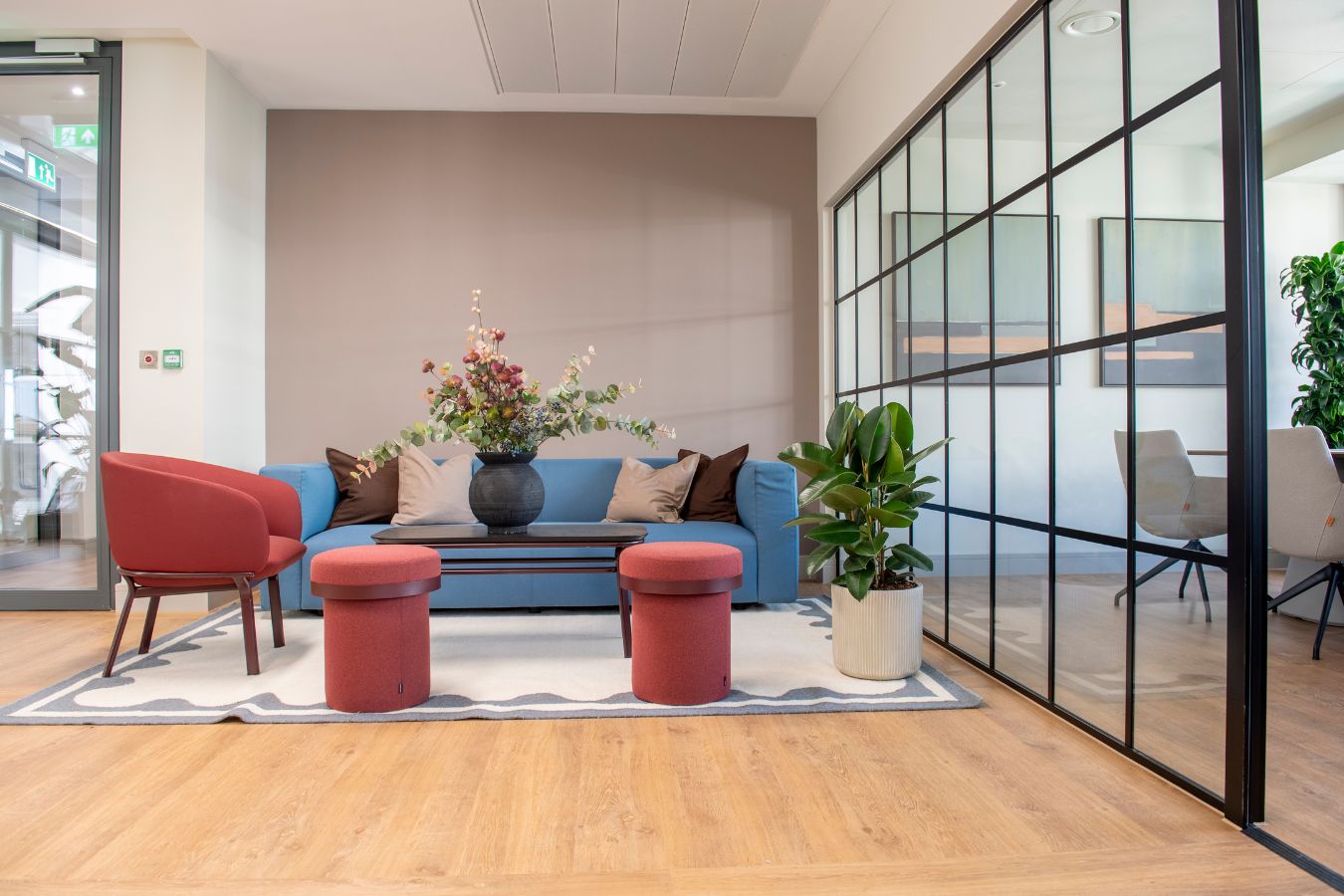
Managing multiple office fit out projects
Coordinating office fit-outs across multiple locations can be challenging but smart planning ensures everything runs smoothly and that everything stays consistent from site to site.
Here are three key things you should consider when dealing with a multi-location project:
Brand identity
The most successful multi-site projects set clear brand standards early on and stay strict about sticking to them when it comes to fit out, furniture, and the overall interior design language of each space.
Each office should feel recognisably part of the same organisation, while still fitting naturally into its local environment. That usually means deciding on the essentials that stay the same everywhere (e.g., brand colours, furniture products and workplace tech) while still leaving room for each location to have its own identity wherever makes most sense.
Project phasing
If your timeline allows, it often helps to phase your projects rather than trying to tackle everything at once. So, instead of trying to deal with the logistics of all sites simultaneously, you could roll them out in stages instead.
A phased approach will not only make your life a whole lot less stressful, it will also teach you important lessons along the way. Finish one site, do the snagging, see what you learn and then use those insights to make the next site project even more successful. This reduces risk and gives you the chance to fine-tune your approach based on real experience, not just standard damage control.
Keep your admin in check
Good documentation habits are super important when you’re managing several sites and multiple contractors. Work with your office fit out partner to create detailed guidelines that can be applied consistently across all locations.
That said, it is still essential to take local building rules, regulations, and context into account. What works perfectly in a converted creative studio loft in Manchester, for example, might need adjustment for a Georgian building in Edinburgh or a glass skyscraper in London.
Read more: Navigating office fit out regulations in listed London buildings >>
Money management
An obvious but important factor when managing multi-site projects: keep an eye on your budget and check in with your financials regularly along the way. Also, remember that regional price differences will mean the same spec won’t cost the same in every city – keep these fluctuations in mind and price up each place individually.
The good news is that multi-location office fit out projects can actually unlock cost-savings that single-site projects don’t. Ordering furniture in bulk, duplicating tech packages and working with a consistent set of contractors on a number of operations can all help keep spending down.
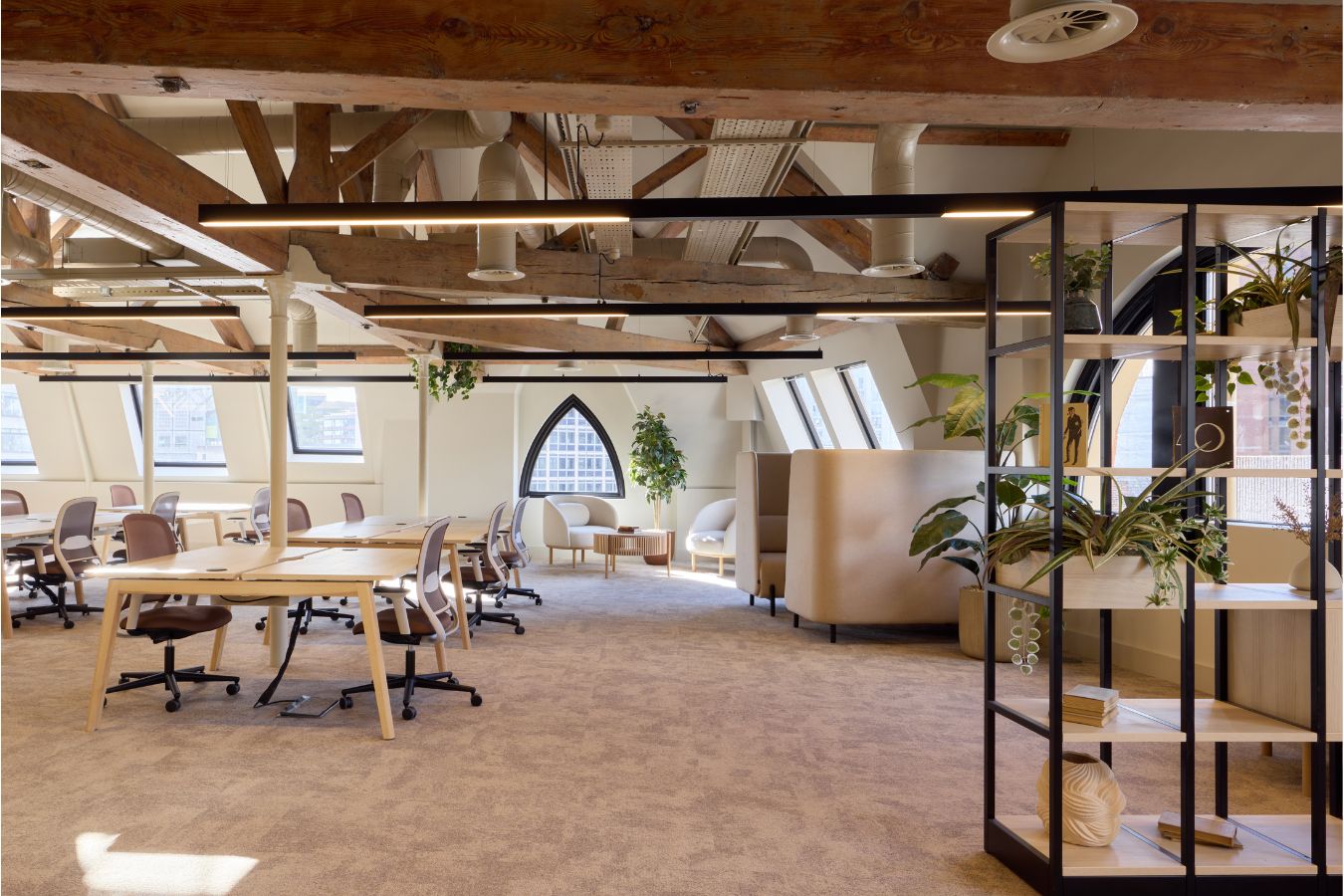
Finding the right contractors: national vs regional specialists
Deciding whether to hire one national office fit out contractor for all your locations or use regional specialists for each site is an important choice. This can really shape how smoothly your project runs, so it’s important to consider carefully.
National contractors
National contractors come with some strong advantages for multi-site work. They can deliver consistent quality, keep communication simple with a single main contact and often offer better pricing when you’re committing to larger-scale projects. When you’re juggling multiple cities at once, having one reliable partner oversee everything can make life a lot easier.
Regional contractors
Regional specialists bring a level of local insight that national firms don’t always have. They know the planning rules inside out, have great relationships with local suppliers and can often get better rates from vendors in the area. If you’re expanding into places with their own distinct character, that kind of local expertise can make a real difference.
A combo of both
Many organisations end up taking a blended approach. For example, a national office fit out and furniture partner like Penketh Group can handle the overall coordination and maintain consistent standards, while still tapping into local knowledge and supplier networks in each region.
What to look out for
Whichever approach you choose, when comparing contractors for multi-site projects, look closely at their experience across different cities and building types. Check their portfolios to see if and how they handle everything from historic buildings to modern developments.
We’d always recommend working with a fit out partner that has experience with phased rollouts across several locations. Look out for strong communication skills too. Multi-site projects involve complex timelines and lots of moving parts, so you need contractors who can coordinate across locations, keep you updated and be crystal-clear about progress and hurdles.
Your ideal partner should offer dedicated project management and be confident in delivering on time and within budget.
Ready to explore how national office presence could benefit your business? The Penketh Interiors team is here to make your multi-site project as smooth as possible, so get in touch to explore how we can help.